
Dyschoriste depressa
Dyschoriste depressa
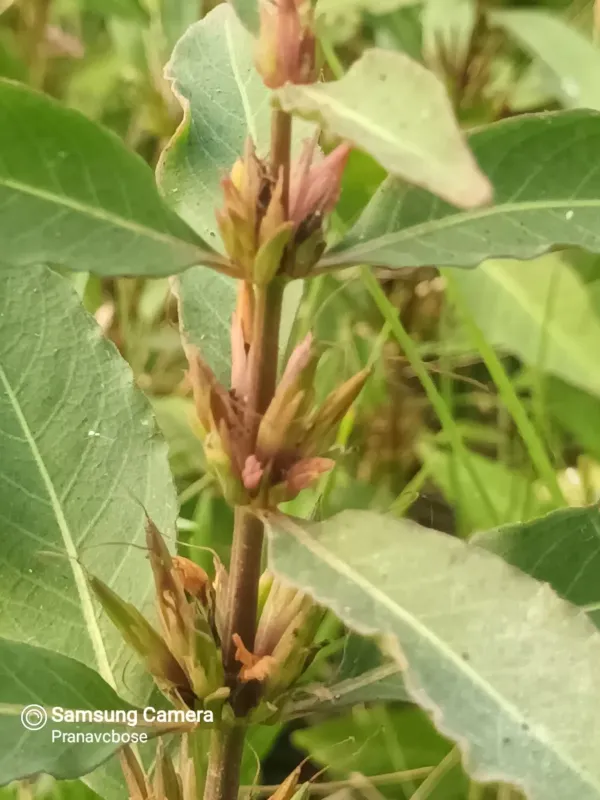
Description
Growing requirements
Dyschoriste depressa is a distinctive perennial plant belonging to the Acanthaceae family. It is recognized for its trailing growth habit, making it an excellent candidate for ground cover in various botanical and ornamental applications within tropical environments.
Originating primarily from the African continent, this species has evolved in diverse habitats ranging from open woodlands to shrubby grasslands. This evolutionary history provides it with a robust tolerance for varying light intensities, provided that humidity levels are maintained.
The botanical structure of Dyschoriste depressa involves small, densely arranged leaves and characteristic tubular flowers. Its growth rate is moderate, and it spreads through stems that often root at the nodes when in contact with moist, fertile soil.
Soil requirements for this species are centered on porosity and drainage. It performs best in a well-aerated potting mix or a sandy loam soil that prevents waterlogging, which is essential to protect the delicate root system from hypoxic conditions.
Regarding climate preferences, the plant thrives in temperatures between 18°C and 26°C. It is sensitive to extreme frost and should be managed as a container plant or protected crop in regions where temperatures drop significantly during winter months.
Main diseases and pests
The main threats to Dyschoriste depressa are fungal pathogens, which typically colonize the plant during periods of high humidity and poor ventilation. Fungal spots and root rots are the most prevalent issues encountered by growers.
Insect pests, including spider mites and whiteflies, represent a secondary but significant threat. These pests typically infest the plant under conditions of low relative humidity, which is common in indoor environments or during dry spells.
Effective management includes maintaining a balance between moisture and airflow. Regular monitoring of the foliage is necessary to detect early infestations before they spread across the entire collection of plants.
Chemical treatments should be used sparingly, prioritizing horticultural oils or soaps that are less phytotoxic. Biological control agents may also be effective for managing mite populations in controlled greenhouse settings.
Good cultural practices, such as removing debris from the soil surface and avoiding overhead watering, significantly reduce the incidence of disease. A proactive approach to plant health is the most reliable strategy for successful cultivation.