
Dyschoriste linearis
Dyschoriste linearis
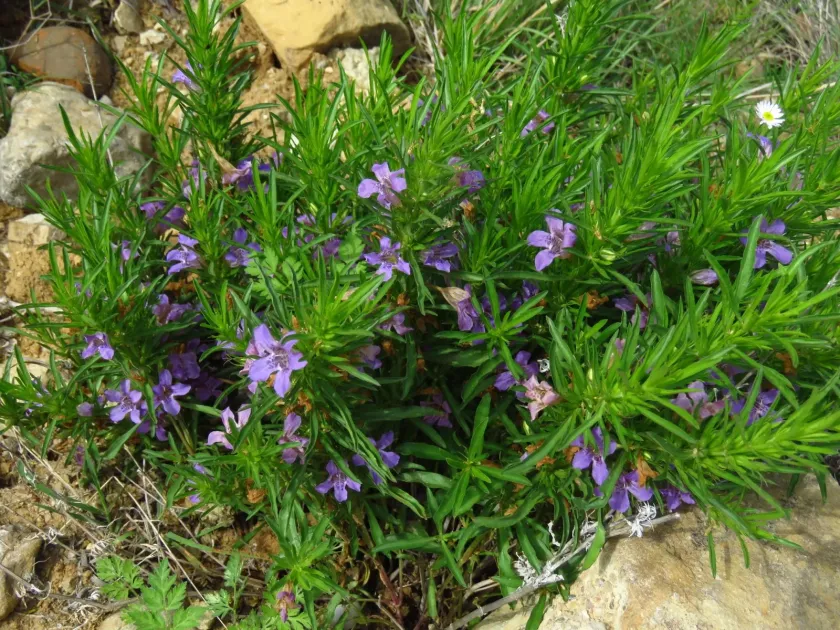
Description
Sowing dates
Dyschoriste linearis belongs to the Acanthaceae family. In its natural habitat, the plant propagates primarily through seeds, which are ejected from small capsules upon maturation.
When cultivating, it is recommended to sow seeds in a well-drained substrate mixed with coarse sand. The optimal time for sowing is during the spring season when the soil temperature consistently reaches 18–22 degrees Celsius.
The seeds show moderate germination rates, so pre-sowing treatment with growth stimulants can significantly enhance emergence. The sowing depth should not exceed 0.5–1 centimeter, as these small seeds require light exposure to trigger germination.
Seedlings typically appear within 2 to 4 weeks provided that the top layer of the substrate is kept consistently moist. After the first pair of true leaves emerges, the seedlings should be pricked out into individual pots for further development before being transplanted.
The root system develops vigorously, so it is necessary to provide enough space in containers or maintain adequate distance between plants in open ground to ensure healthy growth and bushiness.
Growing requirements
This species is native to North American prairies, which dictates its high resistance to arid conditions and intense direct sunlight. It thrives best in open, sunny locations.
Soil requirements focus on well-aerated, rocky, or sandy substrates with a neutral to slightly alkaline pH. The plant reacts poorly to waterlogging, making excellent drainage a non-negotiable requirement for successful cultivation.
The temperature regime should be moderately warm; Dyschoriste exhibits significant resilience to the high summer temperatures typical of continental climate regions.
During the active growing season, the plant requires periodic but not excessive watering. It is crucial to maintain a moisture balance, allowing the top layer of soil to dry out between watering sessions to prevent root decay.
Hardiness is limited to areas with mild winters; therefore, in colder northern latitudes, the plant should be grown in containers and brought into a cool environment for winter protection.
Main diseases and pests
The primary threat to the plant is root rot, which occurs when irrigation schedules are ignored or if the plant is grown in heavy, poorly draining clay soils.
The foliage can be susceptible to spider mite infestations, particularly in environments with very dry air, such as greenhouses or protected growing structures.
During periods of high humidity, fungal leaf spots may develop, requiring the application of copper-based fungicides or biological control agents to maintain plant health.
Aphids often target young shoots and flower buds during the spring, draining nutrients and suppressing growth; regular visual inspections of the planting are essential for early detection.
For effective disease prevention, it is recommended to maintain proper spacing between individual plants to ensure adequate air circulation and to remove any dead or decaying plant material immediately.