
Dyschoriste schiedana
Dyschoriste schiedana
Description
Growing requirements
Dyschoriste schiedana is a perennial herbaceous plant belonging to the Acanthaceae family. Native to regions of Central and South America, this species has adapted to various subtropical environments, often thriving in open woodlands and rocky slopes.
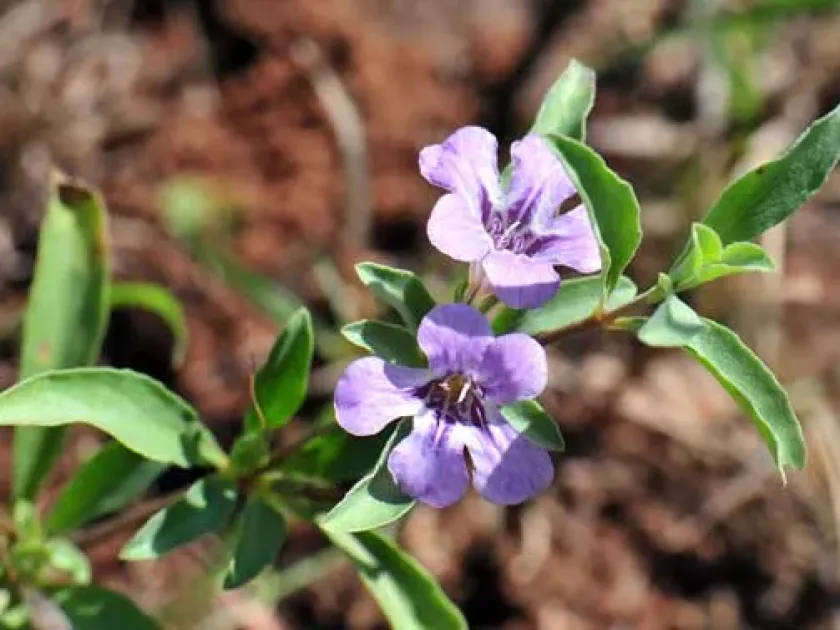
The plant is distinguished by its upright, branching stems and lance-shaped, opposite leaves. Its most notable feature is its funnel-shaped flowers, which typically bloom in vibrant shades of lavender or violet, providing significant aesthetic value during the flowering season.
Cultivation requires well-draining soil with a balanced nutrient profile. While the plant is somewhat tolerant of varying conditions, it performs best in sandy-loam soils that prevent water stagnation, which is critical to avoid root respiration issues.
Regarding climate, the plant prefers warm, stable temperatures and bright, indirect light. It is moderately drought-tolerant once established but benefits from regular moisture during the intense growing season to ensure robust stem development.
In terms of usage, Dyschoriste schiedana is predominantly utilized in landscaping as an ornamental groundcover or an accent plant in rock gardens. Its ability to handle heat and seasonal variations makes it a popular choice for xeriscaping in warmer climates.
Main diseases and pests
The most frequent phytosanitary issues involve fungal pathogens such as powdery mildew and root rot. These occur primarily when aeration is insufficient or when the soil remains waterlogged for extended periods, stressing the root system.
Pests like spider mites and whiteflies frequently colonize the underside of leaves, especially in greenhouse conditions where humidity levels fluctuate. Monitoring for fine webbing or leaf discoloration is essential for early detection and mitigation of outbreaks.
Effective management includes maintaining proper spacing between plants to maximize airflow, which significantly reduces the risk of fungal proliferation. Using clean propagation material is another vital step in ensuring a healthy plant population.
Treatment protocols often involve the application of appropriate acaricides or systemic fungicides, depending on the identified organism. It is recommended to follow label instructions carefully to protect beneficial insects that may inhabit the garden area.
Regular maintenance, including the removal of dead foliage and spent blossoms, not only improves the appearance of Dyschoriste schiedana but also helps eliminate potential overwintering sites for various garden pests and pathogens.