
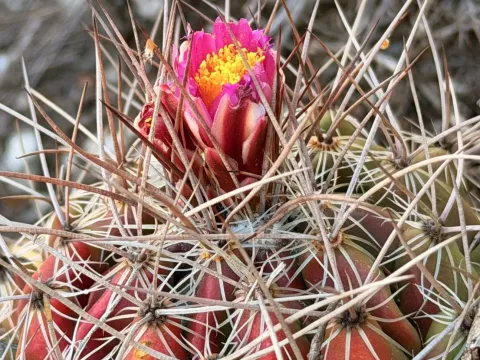
Thelocactus
Thelocactus
Sowing Thelocactus seeds requires patience and precise environmental control. Seeds are best sown in early spring to utilize the increasing day length, which promotes healthier seedling development.
What the section contains
 Thelocactus bicolor
Thelocactus bicolor
Thelocactus bicolor
 Thelocactus conothelos
Thelocactus conothelos
Thelocactus conothelos
 Thelocactus hastifer
Thelocactus hastifer
Thelocactus hastifer
 Thelocactus hexaedrophorus
Thelocactus hexaedrophorus
Thelocactus hexaedrophorus
 Thelocactus leucacanthus
Thelocactus leucacanthus
Thelocactus leucacanthus
 Thelocactus macdowellii
Thelocactus macdowellii
Thelocactus macdowellii
 Thelocactus mirandus
Thelocactus mirandus
Thelocactus mirandus
 Thelocactus multicephalus
Thelocactus multicephalus
Thelocactus multicephalus
 Thelocactus rinconensis
Thelocactus rinconensis
Thelocactus rinconensis
 Thelocactus tulensis
Thelocactus tulensis
Thelocactus tulensis
Thelocactus
The ideal substrate for germination is a fine-textured, sterile mix of volcanic sand and perlite. The mixture must be slightly moist but never waterlogged to prevent fungal growth on the surface.
Maintain a constant temperature between 24 and 27 degrees Celsius. Using a germination tray with a transparent cover helps maintain the necessary humidity levels during the first weeks.
Once germination occurs, gradually introduce ventilation to harden the seedlings. It is crucial to move them from the shaded germination area to a brighter spot only after they have grown their juvenile spines.
Transplanting seedlings to individual pots should be avoided until they reach a diameter of at least one centimeter to ensure the root system is sufficiently developed to handle the shock.
Thelocactus is a genus in the family Cactaceae, characterized by its prominent tubercles and decorative, hardened spines. Native to the arid regions of Mexico, these plants are highly specialized for surviving long periods of drought.
Sunlight is the most critical factor for their structural integrity. They thrive in full, direct sun, which maintains their compact, natural shape and encourages the production of dense, aesthetic spines.
The soil must be highly mineral-based and free-draining. A mix of pumice, coarse sand, and a small portion of loam provides the stability and drainage necessary for healthy root function.
Watering should follow a strict cycle: water thoroughly during the growing season only when the substrate is completely dry, and withhold water entirely during the winter dormancy period.
Proper airflow is essential to mimic their natural habitat. High humidity in stagnant air is the primary cause of sudden death in these specimens, as it fosters bacterial and fungal pathogens.
Root rot is the most common ailment affecting Thelocactus, usually resulting from overwatering or inadequate soil drainage. Affected plants often show soft, discolored patches at the base of the stem.
Mealybugs are frequent pests, often clustering in the deep crevices between tubercles where they are protected from manual cleaning. They draw sap from the plant and can facilitate viral infections.
Spider mites can be devastating, especially in dry and warm indoor conditions. They feed on the epidermis, leaving unsightly brown scars that permanently affect the plant's appearance.
Preventive measures include regular inspection of the crown and the root base, combined with the use of systemic pesticides if infestation occurs. Fungicides should be used proactively if the collection is kept in a humid environment.
- Maintaining a dry winter environment
- Using mineral-rich, porous substrates
- Regular inspection for spider mite webs
- Isolating new plants before adding to the collection