
Thelocactus rinconensis
Thelocactus rinconensis
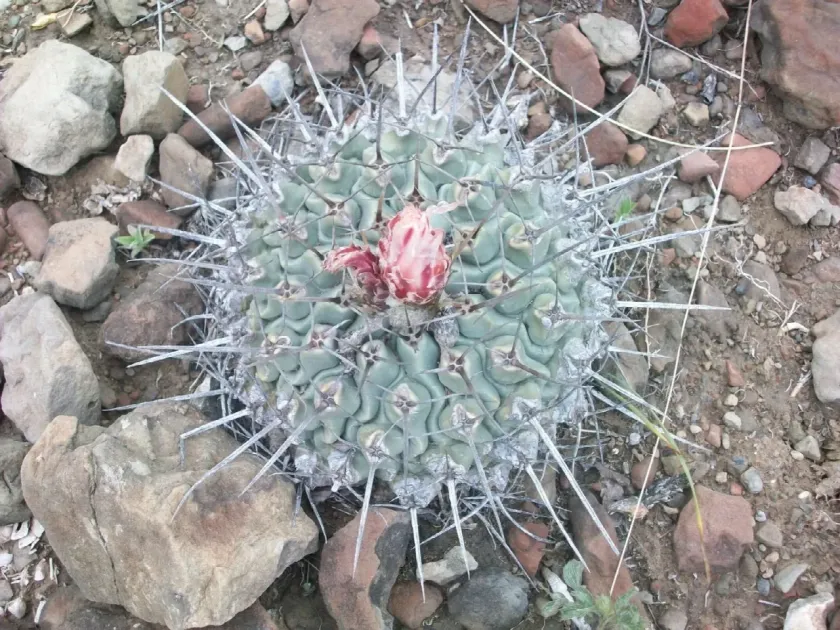
Description
Sowing dates
Thelocactus rinconensis is primarily propagated through seeds. The process should begin in early spring, ensuring a stable temperature environment for successful germination.
A sterilized, well-draining soil mix is critical for young seedlings. Seeds are typically sown on the surface of the moist substrate and covered with a fine layer of sand.
Maintaining a high humidity level during the initial germination phase is essential. Containers should be kept covered until the first true spines begin to appear on the seedlings.
As the seedlings grow, they require gradual exposure to drier air to strengthen their epidermis and prevent fungal infections common in closed nursery environments.
The transition to individual pots should occur once the young cacti are large enough to handle, ensuring they have sufficient space to develop their root systems.
Growing requirements
Belonging to the Cactaceae family, this species originates from the limestone hills of Mexico. It is a slow-growing cactus known for its distinct tuberculate structure.
These plants thrive in full sun conditions. In a greenhouse setting, adequate ventilation is vital to prevent overheating while ensuring maximum light absorption.
Watering requires strict discipline. During the growing season, water only when the substrate has completely dried out, and drastically reduce watering during the dormant winter months.
The ideal soil is a gritty, mineral-based mixture that allows for rapid drainage. Organic matter should be kept to a minimum to prevent root rot issues.
A winter rest period in a cool, bright location is necessary to simulate the natural climatic cycle, which is essential for healthy flowering in the spring.
Main diseases and pests
Mealybugs are the most persistent pest for this species. They often hide in the crevices between tubercles and are difficult to remove without careful inspection.
Root rot is the most common physiological threat, usually caused by overwatering or soil that remains saturated for too long, especially during cloudy weather.
Spider mites can also be a problem in dry, stagnant air. Regularly misting the surrounding area or maintaining proper airflow helps to discourage these pests.
If an infestation is detected, systemic insecticides specifically formulated for cacti should be applied according to the manufacturer's instructions to ensure efficacy.
Prevention is the best strategy: ensure good drainage, avoid splashing water on the plant's body, and keep the collection clean of debris that might harbor pests.