
Thelocactus hexaedrophorus
Thelocactus hexaedrophorus
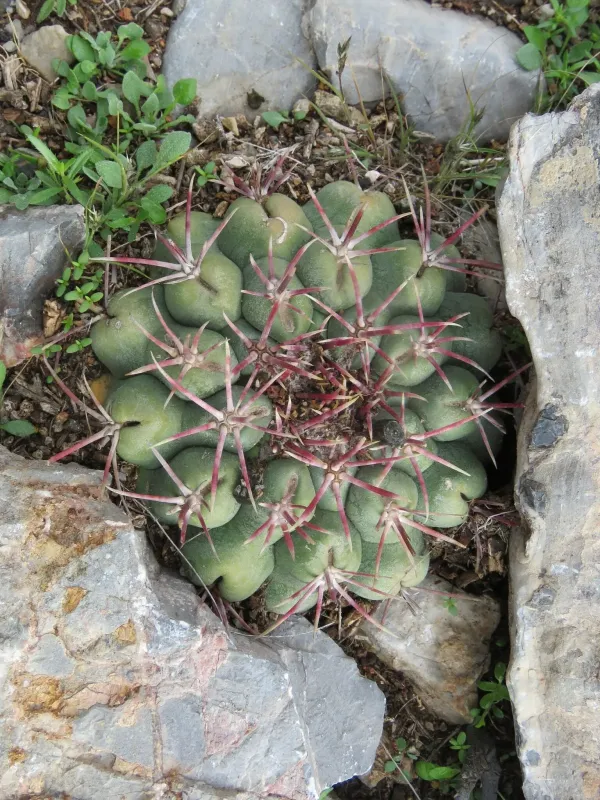
Description
Sowing dates
The propagation of Thelocactus hexaedrophorus is primarily achieved through seeds, as this species rarely produces offsets. The best time for sowing is during the spring when daylight hours start to increase, providing the necessary energy for successful seedling growth.
To sow the seeds, use flat containers with proper drainage holes and a porous mineral substrate consisting of sand, perlite, and a small amount of potting soil. Distribute the seeds evenly on the surface and cover them lightly with a thin layer of fine sand.
Keep the sowing containers covered with glass or plastic film to maintain humidity and a temperature range between 22 and 25 degrees Celsius. It is crucial to provide bright but diffused light to prevent the emerging seedlings from overheating or getting burned.
Germination typically occurs within one to two weeks. Once seedlings emerge, it is important to gradually remove the cover to acclimate them to ambient air, ensuring constant ventilation to avoid mold development on the soil surface.
Prick out the young plants approximately one year after sowing once they have gained enough size and strength. During this transition, monitor the moisture levels closely, as young seedlings are highly sensitive to both drought and excessive moisture.
Growing requirements
Thelocactus hexaedrophorus, a member of the Cactaceae family, is native to the arid regions of Mexico. In its natural environment, it thrives on limestone-rich slopes, which indicates a preference for mineral-heavy, well-draining soil in cultivation.
This species requires high levels of direct sunlight to maintain its compact, spherical, and heavily tuberculate form. Insufficient light results in etiolation, where the plant stretches and weakens, making it more susceptible to various physiological disorders.
The potting medium must be highly permeable. Growers typically use a mix of cactus soil with added gravel, pumice, or crushed brick to ensure that the water drains away quickly and does not linger around the root neck.
During the active growing season, temperatures should remain high, though a significant drop during the night is essential to mimic natural conditions. Winter dormancy requires a cool period with temperatures ranging from 10 to 12 degrees Celsius with zero watering.
Watering must be strictly controlled, applying water only when the substrate has dried out completely. Overwatering during cooler or cloudy days is the most frequent cause of root rot, which can prove fatal to this cactus species very quickly.
Main diseases and pests
The primary threats to Thelocactus hexaedrophorus are root and stem rot caused by fungal pathogens. These are almost always the result of overwatering in combination with poor airflow, which keeps the soil moist for too long.
Spider mites are common pests that thrive in hot, dry conditions. They pierce the cactus skin to feed on the sap, leading to unsightly brown or yellow discoloration on the surface that detracts from the plant's aesthetic value.
Mealybugs are another common nuisance, often hiding deep within the grooves between the plant's tubercles. Systemic insecticides are recommended for effective control, as they reach areas where contact sprays might fail.
Root mealybugs can also infest the root system, stunting the plant's growth and causing it to appear dehydrated despite watering. Regular inspection of the root ball during repotting is essential for early detection of these hidden pests.
Prevention is the best strategy: ensure maximum ventilation, inspect your plants frequently, and follow a strict dormant season protocol to keep your collection healthy and free from opportunistic pests and diseases.