
Uebelmannia
Uebelmannia
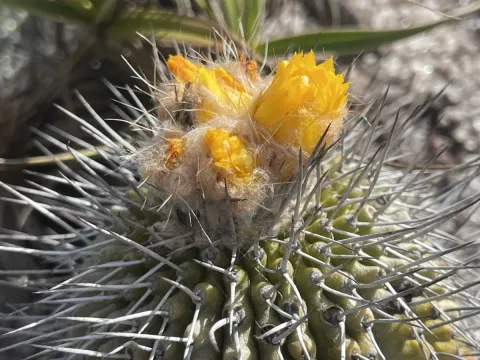
Uebelmannia is a genus of slow-growing succulents belonging to the Cactaceae family. Native to the state of Minas Gerais in Brazil, these plants are highly valued in private collections for their distinct, ribbed spherical or columnar bodies.
What the section contains


Uebelmannia
These plants require high levels of bright, indirect sunlight to thrive. In a greenhouse or indoor setting, they should be placed in the brightest spot available, although they may benefit from light shading during the peak of summer heat.
The substrate must be extremely porous and well-draining. A typical successful mixture consists of mineral components such as volcanic gravel, perlite, and coarse sand with a very small proportion of organic matter to mimic their native rocky habitat.
Temperature management is crucial. Uebelmannia prefers warm conditions during the growing season (spring and summer) and a distinct dry cool period during the winter to trigger proper development and flowering potential.
Watering should be performed cautiously using the 'soak and dry' method. It is essential to ensure that the potting medium is entirely dry before the next watering session to prevent the fragile root system from suffering.
The primary concern for Uebelmannia growers is root and stem rot. This is almost always caused by excessive soil moisture or a combination of low temperatures and damp conditions, which can be fatal for these sensitive succulents.
Pests such as red spider mites and mealybugs pose a significant risk. These insects often hide in the dense areoles or between the ribs, making them difficult to detect until the plant shows significant damage.
To keep the plants healthy, implement a rigorous pest control program using systemic insecticides or neem oil during the active growth season to prevent infestations from taking hold.
Proper airflow is as important as proper watering. Stagnant air encourages fungal spores and keeps moisture trapped in the soil, creating an ideal environment for pathogens to thrive.
Regular inspection is the best defense. If a plant appears soft or exhibits discoloration, the roots should be examined immediately, and any decaying tissue must be removed to save the specimen.