
Thelocactus tulensis
Thelocactus tulensis
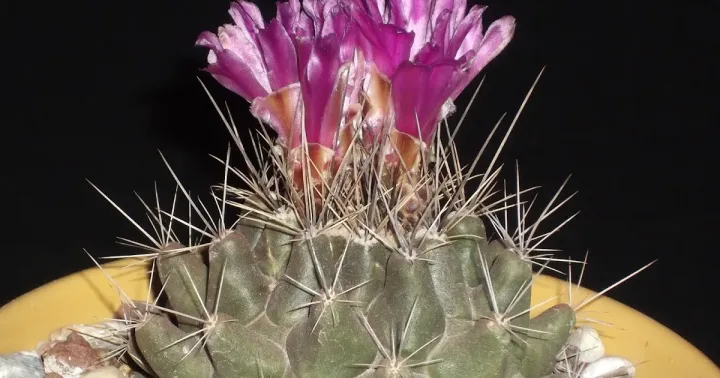
Description
Sowing dates
Sowing seeds of Thelocactus tulensis is best performed in early spring to take advantage of increasing daylight hours, which are crucial for the development of healthy seedlings.
A well-draining, porous substrate is essential for germination; a mix of fine sand and fine-milled peat or coco coir is typically recommended by experienced growers.
The seeds should be sown shallowly and covered with a very thin layer of grit to prevent the seedlings from falling over as they develop their initial roots.
Humidity must be kept high initially under a clear cover, but once germination occurs, ventilation should be gradually increased to prevent fungal issues.
Transplanting seedlings to individual pots is usually done after the first year when they have hardened and developed sufficient spines to protect themselves.
Growing requirements
Thelocactus tulensis is a member of the Cactaceae family, natively found in the arid regions of Mexico, where it grows in limestone-rich, well-draining soils.
Cultivation requirements include a mineral-rich soil mix, ensuring that at least 50% of the medium consists of inorganic materials like pumice, perlite, or crushed gravel.
The species thrives in bright, direct sunlight, which is necessary to maintain its compact, globe-like shape and ensure the proper formation of its characteristic spines.
A strict dormancy period is required during winter months, where temperatures should be kept cool, ideally between 8°C and 12°C, with no watering to prevent rot.
Watering during the growing season should follow the soak-and-dry method, ensuring the soil is completely dry before providing the next deep hydration cycle.
Main diseases and pests
The most significant threat to Thelocactus tulensis is root rot, caused by overwatering or poor drainage, which can rapidly destroy the plant's internal structure.
Pests such as mealybugs and spider mites are frequent visitors, often hiding in the crevices between the tubercles, where they can be difficult to eliminate.
Fungal infections can appear during periods of high humidity and low air circulation, leading to discolored patches on the skin of the cactus.
Regular inspection is the best defense; using a small brush dipped in isopropyl alcohol can help spot-treat mealybugs effectively without damaging the plant.
Maintaining a clean, well-ventilated growing area is the primary cultural practice to mitigate the risk of disease and ensure long-term health of the specimens.