
Vatricania
Vatricania
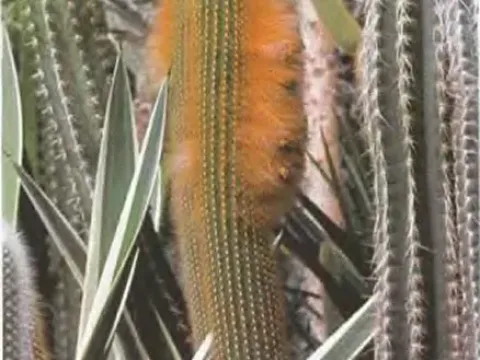
Vatricania (Vatricania guentheri) is a monotypic genus of succulent plants belonging to the Cactaceae family. Modern botanical classification often includes this species within the genus Espostoa, though the name Vatricania remains widely used by collectors.
What the section contains

Vatricania
The natural habitat of this culture is the arid regions of Bolivia. The plant grows on rocky slopes where high daytime temperatures and significant temperature drops at night are the norm.
Successful cultivation of Vatricania requires well-drained, mineral-based substrates that mimic the composition of poor mountain soils. It is crucial to ensure high soil aeration to prevent moisture accumulation in the root system.
This species is highly photophilous and requires maximum direct sunlight throughout the day. Lack of light leads to stem deformation, where the cactus loses its natural habit and becomes unnaturally elongated.
During the active growing season, the plant requires moderate watering, which should only be performed after the soil has dried out completely. In winter, Vatricania needs a pronounced dormant period in cool temperatures with minimal to no moisture.
The primary threat to Vatricania is root and stem rot, which occurs due to waterlogged substrate or insufficient air circulation in the growing environment.
Among pests, the red spider mite poses the greatest danger to the crop, damaging the delicate tissues near the hairs, as well as mealybugs, which hide deep within the dense stem pubescence.
Disease prevention involves strictly adhering to the watering schedule and using sterilized soil when potting or repotting the cactus.
To combat insect pests, it is recommended to use specialized systemic insecticides and acaricides that effectively penetrate the plant's tissues.
Regular inspection of the apical part of the cactus allows for the early detection of fungal infections or insect infestations, significantly simplifying the treatment process.