
Stephanocereus
Stephanocereus
Stephanocereus is a genus of succulent plants belonging to the Cactaceae family. Native to the specific arid regions of Brazil, these cacti are well-adapted to rocky habitats and intense solar radiation.
What the section contains

Stephanocereus
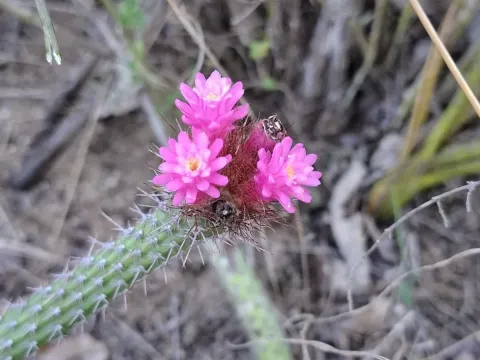
The botanical structure consists of a columnar stem that features a unique growth stage known as the cephalium. This specialized area becomes densely covered with hair-like structures or bristles, facilitating the bloom process in mature specimens.
Cultivation requires a highly porous mineral-based substrate to prevent water retention. Proper drainage is the most critical factor, as stagnant moisture is incompatible with the natural physiology of these desert-dwelling plants.
Climate needs involve high light intensity and warm temperatures during the growth cycle. During the winter months, the plants require a distinct dormant phase in a cool, dry environment to ensure successful flower production in the following season.
The primary use of Stephanocereus is horticultural, serving as a prized specimen in specialized succulent collections and botanical displays. Its rarity and slow growth rate make it a challenging yet rewarding subject for advanced growers.
Root rot remains the most significant threat to this culture, primarily resulting from improper irrigation strategies. Preventive measures involve allowing the substrate to dry out completely between waterings.
Common pests include spider mites and mealybugs, which tend to inhabit the dense bristles of the cephalium. Control involves the application of appropriate acaricides and insecticides, ensuring that the chemical treatment is safe for the plant's epidermis.