
Thelocactus leucacanthus
Thelocactus leucacanthus
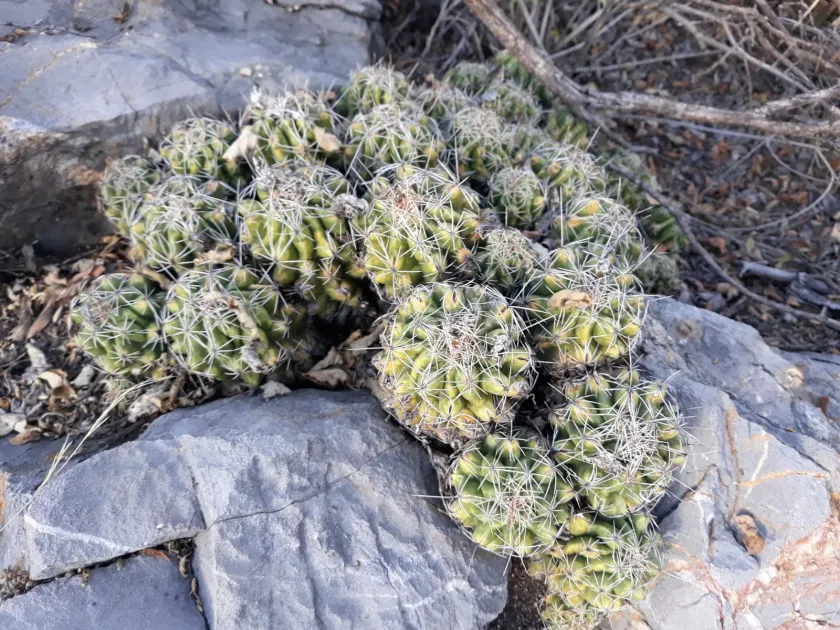
Description
Sowing dates
Propagation of Thelocactus leucacanthus via seeds is best undertaken during the spring months. The seeds require a warm environment, ideally between 22 and 26 degrees Celsius, to ensure a high germination rate.
The sowing medium should consist of a sterile, well-draining mixture of coarse sand and finely milled peat. Moisture must be maintained consistently within a covered tray until the seedlings emerge, which typically takes a few weeks.
Seedlings are highly susceptible to dampness, so maintaining adequate air circulation is essential even during the early stages. Once the first spines begin to form, the frequency of humidity can be gradually reduced.
Direct sunlight should be avoided for young seedlings to prevent scorching. A bright, shaded location provides the best growth conditions until the plants are large enough to be transferred into individual pots.
Patience is required as this species grows slowly. The first year is crucial for developing a strong root system, and the soil should never be allowed to remain saturated for long periods.
Growing requirements
Thelocactus leucacanthus is a member of the Cactaceae family, native to the arid regions of central Mexico. It is specifically adapted to high levels of sunlight and periodic moisture followed by long droughts.
These plants require high-intensity light to maintain their compact structure and healthy, dense spine formation. In indoor settings, placing the plant in a south-facing window is recommended for optimal development.
The soil profile must be inorganic, focusing on mineral content rather than organic nutrients. A mixture of pumice, perlite, and a small amount of sandy loam creates the ideal porous structure needed for this species.
Irrigation should be applied only when the potting substrate is completely dry to the touch. During the winter months, the plant enters a dormant phase where watering should be suspended entirely to prevent root rot.
Temperature management is key to success: while they tolerate heat well, they thrive when night temperatures drop, reflecting the natural diurnal temperature fluctuations of their native habitat.
Main diseases and pests
Spider mites are the most common pest, thriving in dry, hot indoor environments. They pierce the epidermis of the cactus, causing visible discoloration and scarring that can weaken the plant over time.
Mealybugs can cluster in the axils of the areoles, hidden beneath protective white fluff. Manual removal with a cotton swab dipped in alcohol is an effective initial treatment for minor infestations.
Rot is a fatal threat, usually caused by overwatering during periods of low light or poor air circulation. The soft, darkened tissue at the base of the stem is a clear indicator that the plant is struggling with moisture levels.
Fungal spotting can occur if the cactus is exposed to poor ventilation. Proactive measures include keeping the surface of the soil covered with gravel to protect the neck of the plant from excess humidity.
- Use high-quality systemic insecticides for severe pest outbreaks.
- Maintain proper light levels to strengthen the plant's natural defenses.
- Ensure the soil dries completely between every watering cycle.