
Thelocactus multicephalus
Thelocactus multicephalus
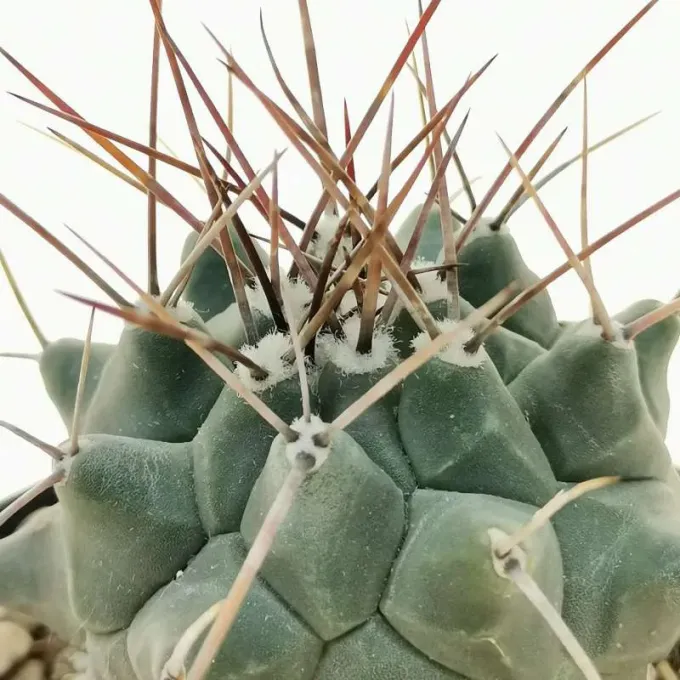
Description
Sowing dates
Sowing seeds of Thelocactus multicephalus is best performed during the spring season when increased daylight hours promote robust initial growth. Optimal timing typically falls between March and April, ensuring ambient temperatures remain consistently above 20 degrees Celsius.
Seeds should be sown in shallow containers using a porous, loose, and sterile substrate. The surface must be lightly misted, and seeds should be distributed evenly on the top layer without burying them, as light is essential for successful germination.
Covering the containers with glass or plastic film creates a mini-greenhouse effect, maintaining the necessary humidity levels until germination occurs. The temperature should be maintained between 22 and 25 degrees Celsius during this critical stage.
Once seedlings emerge, they require a gradual transition to lower humidity levels to harden their tissues. Pricking out or repotting should be delayed until the young cacti have developed spines and possess enough physical strength to withstand handling.
It is vital to protect young seedlings from direct scorching sun, which can cause severe dehydration and death. Utilizing supplemental artificial lighting in the early weeks ensures steady development and prevents the plants from becoming overly elongated.
Growing requirements
Thelocactus multicephalus is a succulent species belonging to the Cactaceae family, originating from the arid regions of Mexico. This plant thrives in well-drained, rocky substrates with very low organic content, mimicking its natural habitat conditions.
This species demands maximum sunlight exposure, ideally receiving several hours of direct rays daily. Insufficient light results in etiolation, where the plant stretches unnaturally and loses its characteristic compact shape and spination density.
Watering must be carefully managed; during the summer, it should only be applied after the potting mix has completely dried out. In winter, the plant enters a dormant phase and requires almost no water, preferring a cool and dry environment.
Ideal summer temperatures range between 25 and 30 degrees Celsius, whereas winter dormancy requires temperatures around 10 to 12 degrees. Proper air circulation is essential to prevent moisture accumulation and rot around the base of the plant.
The recommended substrate is a mixture of loam, coarse river sand, perlite, and fine gravel in equal parts. A generous drainage layer at the bottom of the pot is a non-negotiable requirement for the long-term health of this succulent.
Main diseases and pests
The spider mite is one of the most common pests for Thelocactus multicephalus, especially in low-humidity indoor environments. It attacks the epidermis, causing pale spots, brown blemishes, and stunted growth as it extracts plant sap.
Root mealybugs pose a significant threat by infesting the underground part of the plant. Since they are hidden from view, their presence is often only detected when the cactus loses its firmness and ceases to grow, despite regular care.
Fungal diseases, including Fusarium and root rot, are typically caused by overwatering and stagnant air. These infections can quickly destroy the root system or the core of the stem if not treated immediately with systemic fungicides.
Prevention relies on rigorous inspection of the plants and maintaining a clean, dry environment. When new specimens are introduced, a quarantine period is highly recommended to prevent the spread of hidden pests to the rest of the collection.
The most effective strategy against pests and diseases is maintaining proper cultural conditions. A well-grown, healthy cactus possesses a strong natural defense system, making it far more resilient against common biological threats.