
Thelocactus conothelos
Thelocactus conothelos
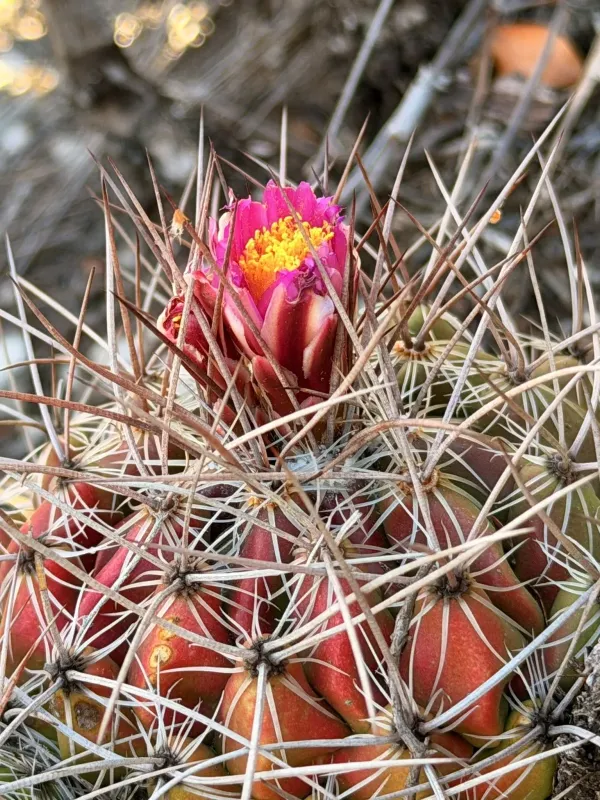
Description
Sowing dates
Sowing seeds of Thelocactus conothelos is best done in the spring when daylight hours start increasing, providing the seedlings with the necessary energy for growth.
The optimal temperature for seed germination ranges from 22 to 26 degrees Celsius, and it is crucial to maintain consistent substrate moisture during the first weeks.
The soil used must be fine-grained, well-drained, and sterilized to prevent the development of fungal infections that are fatal to young cacti.
Seeds should be sown on the surface and pressed lightly into the soil mixture, then covered with glass or film to create a controlled greenhouse effect.
Seedling transplanting (pricking out) should be performed no earlier than a year after germination, once the plants are strong enough to adapt to new conditions.
Growing requirements
Thelocactus conothelos belongs to the Cactaceae family and naturally occurs in the dry mountainous regions of Mexico, dictating its high light requirements.
The culture needs maximum bright sunlight throughout the growing season; a lack of UV light leads to unattractive etiolation and stretching of the stem.
The soil must be loose and mineral-based, containing a significant proportion of coarse sand, gravel, and perlite to prevent water stagnation at the roots.
Watering is performed moderately during the warm season, ensuring the substrate dries out completely between waterings to prevent root system decay.
During the winter, the plant requires a dry dormant period at lower temperatures (5 to 12 degrees Celsius), which is essential for successful flower bud formation.
Main diseases and pests
The primary threat to this species is root and stem rot, which occurs due to improper watering schedules and poor ventilation in the growing area.
Under indoor conditions, the cactus can be infested by pests such as spider mites, which feed on cell sap and leave unsightly spots on the epidermis.
Mealybugs often hide in the crevices between the plant's tubercles, so regular inspection is necessary for the timely detection of these parasites.
For pest prevention, it is recommended to apply systemic insecticides at the beginning of the growing season to ensure plant health.
If signs of rot are detected, the plant should be immediately repotted into fresh dry soil, removing damaged root parts and treating wounds with charcoal powder.