
Thelocactus bicolor
Thelocactus bicolor
Description
Growing requirements
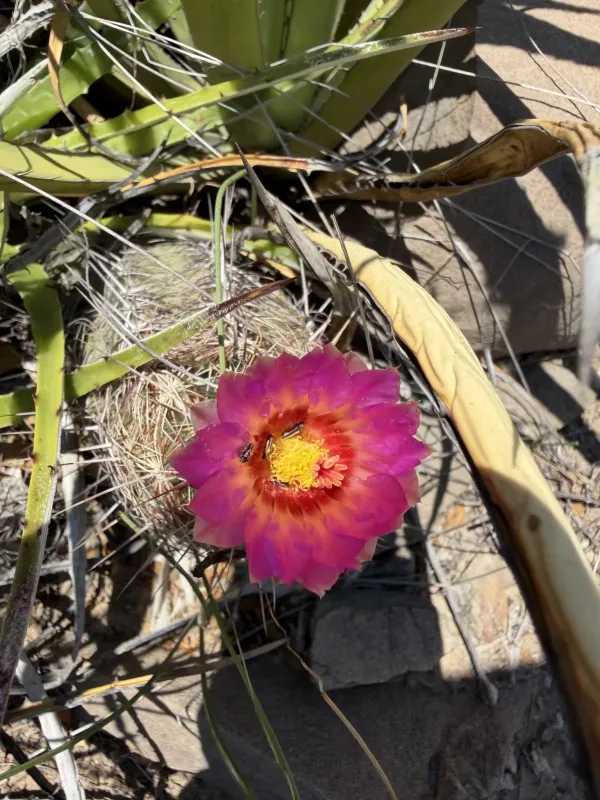
Thelocactus bicolor is a distinctive cactus species belonging to the Cactaceae family. Originating from the arid regions of northern Mexico and parts of Texas, it is a highly specialized plant adapted to extreme temperature fluctuations and low humidity.
The plant features a globular to short-cylindrical stem, often covered in dense, brightly colored spines. These spines are the primary ornamental feature of the plant, which naturally grows on limestone hills and rocky slopes.
Successful cultivation requires very high light intensity. To maintain the structural integrity and healthy coloration of the spines, the plant should be placed in a sunny location with maximum daily exposure to direct sunlight.
The soil requirements involve a strictly mineral-based, porous substrate. A typical mix includes coarse sand, crushed granite, and a small portion of potting soil, ensuring rapid drainage to prevent water retention around the root collar.
During the growing season, watering should be thorough but infrequent. The substrate must dry out completely between waterings. In winter, the plant enters a dormant phase and requires a cool, dry environment to prepare for spring flowering.
Main diseases and pests
The primary threat to Thelocactus bicolor is root rot, which typically develops due to overwatering or poor drainage. Excess humidity in the soil for prolonged periods is fatal to this species.
Pest issues often include spider mites and mealybugs. These pests frequently settle in the crevices between tubercles, making them difficult to detect and eradicate without close observation.
Systemic insecticides are recommended for controlling infestations. Preventive measures include ensuring good airflow and regularly cleaning the plant surface to remove dust and potential pest nests.
Fungal diseases are a significant risk, particularly in high-humidity or poorly ventilated environments. Symptoms such as brown spots or soft, discolored tissues indicate an infection that requires immediate intervention.
Proper sanitation is essential for greenhouse or home collection management. Removing dead organic debris from the pot surface and ensuring the potting mix is fresh helps maintain the vigor of the plant.