
Tephrocactus
Tephrocactus
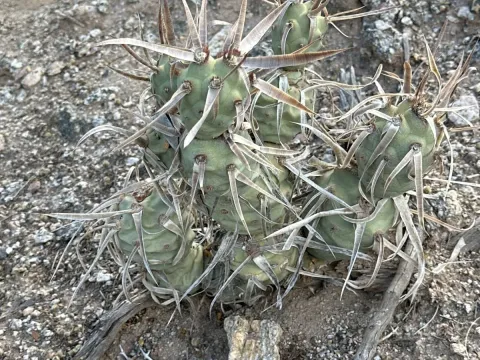
Tephrocactus is a genus of perennial succulent plants belonging to the Cactaceae family, native to the harsh high-altitude regions of Argentina and Bolivia. These plants have evolved to survive in extreme mountain environments characterized by intense solar radiation and significant temperature fluctuations.
What the section contains
 Tephrocactus alexanderi
Tephrocactus alexanderi
Tephrocactus alexanderi
 Tephrocactus aoracanthus
Tephrocactus aoracanthus
Tephrocactus aoracanthus
 Tephrocactus articulatus
Tephrocactus articulatus
Tephrocactus articulatus
 Tephrocactus bonnieae
Tephrocactus bonnieae
Tephrocactus bonnieae
 Tephrocactus geometricus
Tephrocactus geometricus
Tephrocactus geometricus
 Tephrocactus molinensis
Tephrocactus molinensis
Tephrocactus molinensis
 Tephrocactus nigrispinus
Tephrocactus nigrispinus
Tephrocactus nigrispinus
 Tephrocactus weberi
Tephrocactus weberi
Tephrocactus weberi
Tephrocactus
Botanically, the culture is defined by its segmented stem structure. These segments are often globular or ovate and are covered in a variety of spines, ranging from needle-like to distinct, papery structures that serve to protect the plant from high-altitude ultraviolet rays.
Cultivation requirements necessitate high light intensity to maintain the plant's natural growth habit. Without sufficient light, the segments tend to etiolate and lose their structural integrity, which makes them highly vulnerable to mechanical damage and pathogens.
The soil must be primarily mineral-based, consisting of coarse sand, perlite, or volcanic gravel. High organic content in the substrate is strictly avoided, as it retains too much moisture and encourages the rapid development of root rot in the desert-adapted root system.
Watering protocols are strictly seasonal. During the growing season, water should be applied only when the substrate has completely dried out. A mandatory winter dormancy period with cool temperatures and total dryness is essential for the plant to thrive and eventually produce flowers.
The primary threat to Tephrocactus health is moisture-related fungal infection. Overwatering or poor ventilation causes the basal segments to rot quickly, which can result in the collapse of the entire plant structure if not addressed immediately.
Mealybugs represent a significant pest threat, as they frequently colonize the areas between segments and underneath the dense spine cover. Their presence is often detected only when the plant begins to show visible signs of stress or stunted growth.
Spider mites are common in environments with low humidity and high heat. These pests feed on the surface tissue of the segments, leaving permanent corky patches that degrade the aesthetic value and health of the plant over several growing seasons.
Root system pests, such as soil mealybugs, can remain undetected for long periods. Careful inspection of the roots during seasonal repotting is necessary to identify infestations early before they lead to severe structural degradation of the cactus.
Effective pest management relies on systemic insecticides and maintaining a sterile environment. Keeping the plant in an area with good airflow and ensuring the substrate is fully dried before subsequent watering are the best preventative measures against most biological threats.