
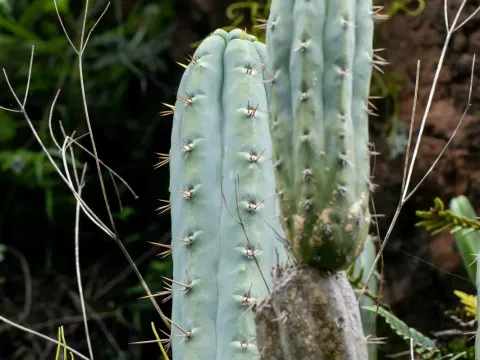
Trichocereus
Trichocereus
Seed propagation of Trichocereus is typically carried out in spring, when daylight hours increase significantly. The optimal period from March to May provides the necessary light intensity for proper seedling growth and structural development.
What the section contains

Trichocereus
A sterile substrate composed of fine sand, perlite, and peat moss is essential for sowing. Seeds are placed on the moist surface without deep burial and covered with glass or film to maintain high humidity levels for germination.
Temperature during the germination phase must remain between +22 and +25 degrees Celsius. Seedlings usually emerge within two to four weeks, after which the covering is gradually removed to acclimate them to ambient humidity levels.
Vegetative propagation using cuttings can be done during the active growing season. After cutting a healthy stem segment, it is critical to dry it in a shaded, dry area for several days until a callous forms to prevent infection.
Rooting is performed in slightly moist, coarse sand. It is vital to avoid excessive watering during this initial period, as the cutting is highly susceptible to rot before a healthy root system is fully established.
Trichocereus belongs to the Cactaceae family and is native to the mountain regions of South America, specifically the Andes. These plants are biologically adapted to intense sunlight and significant fluctuations in day-to-night temperatures.
Exposure to full, direct sunlight is a primary requirement for this culture. Without sufficient light, the plant will become etiolated, losing its characteristic strength and structural integrity, which makes it prone to physical damage.
Soil must be highly permeable and provide excellent drainage. A recommended mixture consists of loam combined with generous amounts of sand, small gravel, and charcoal to prevent water accumulation around the root zone.
During the growing season from April to September, irrigation should be moderate, allowing the soil to dry out completely between watering cycles. In winter, plants require a cool rest period at +5 to +10 degrees Celsius with minimal watering.
Fertilization should be limited to specific cactus formulas low in nitrogen. High nitrogen levels can cause rapid, succulent growth that is weak and highly attractive to pests and fungal pathogens.
Mealybugs are one of the most common pests, often hiding in the deep ribs of the stem. Regular monitoring and spot treatment with systemic insecticides or isopropyl alcohol are effective ways to manage infestations.
Spider mites thrive in environments with very low humidity and can cause significant damage to the plant epidermis. They manifest as fine webbing or small, discolored spots on the skin of the cactus.
Root rot is the most common condition causing plant loss, typically resulting from overwatering or poorly draining soil. If detected early, the plant must be removed from the pot, cleared of decayed roots, and repotted in dry, fresh medium.
Fusarium wilt can infect the vascular system of the cactus, often visible as reddish or brown lesions. Once the infection spreads internally, saving the plant becomes significantly harder, necessitating surgery on affected tissues and fungicide application.
Proactive management involves ensuring good air circulation, strictly adhering to watering regimes, and using clean, disinfected tools and substrates to minimize the risk of infection spread between plants.