
Thelocactus hastifer
Thelocactus hastifer
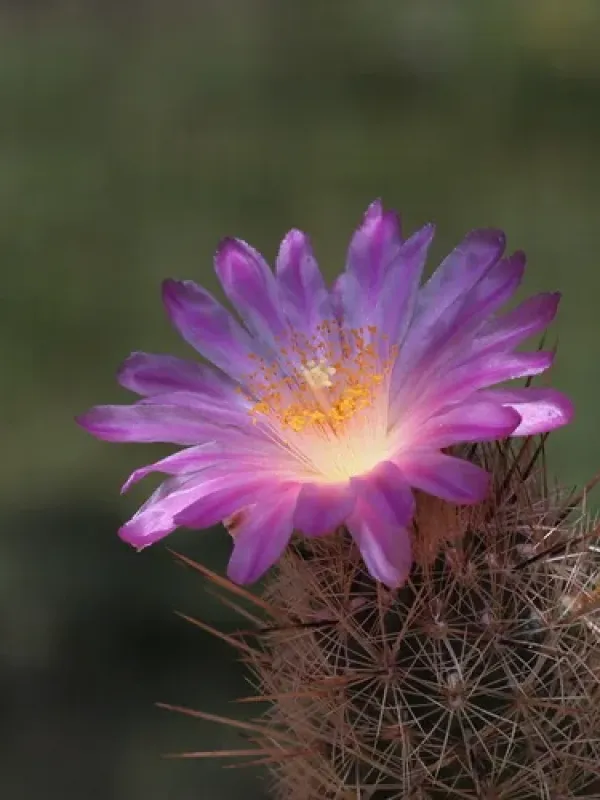
Description
Sowing dates
Propagation of Thelocactus hastifer is primarily achieved through seeds, which require specific conditions for successful germination. Sowing should occur in early spring to utilize the natural increase in day length and warmth.
Use a highly porous, sterile mineral substrate to prevent fungal infections. Seeds should be sown on the surface of the moist medium, and the container should be covered to maintain high humidity during the initial phase.
Optimal germination temperatures remain within the 22–25 degrees Celsius range. Daily aeration of the seedling container is essential to prevent the accumulation of stagnant air and the growth of mosses or molds.
Once seedlings begin to develop their first spines, they should be gradually acclimated to lower humidity levels. This hardening process helps the young plants build resilience against the environmental conditions of the nursery or home environment.
Pricking out the seedlings into individual pots is performed once they are large enough to handle. Ensuring the soil in individual pots remains well-drained is critical to maintaining the health of the young root systems.
Growing requirements
Thelocactus hastifer is a member of the Cactaceae family and is native to the rocky, arid habitats of central Mexico. It is a highly specialized species adapted to harsh mountain climates with high solar radiation.
This culture requires intense, direct sunlight for the majority of the day to maintain its compact growth habit and natural spine development. Inadequate light results in etiolation and a weakened structure prone to disease.
The soil mixture must consist of a high proportion of inorganic materials, such as pumice, coarse sand, and limestone grit. The primary goal of the substrate is to ensure rapid drainage, preventing any long-term moisture retention around the roots.
Watering should be conducted sparingly, allowing the substrate to dry out completely between irrigation sessions. During the winter dormancy period, watering must be suspended entirely to prevent rot and to induce healthy flowering cycles.
A cool, dry dormancy period at temperatures around 5–10 degrees Celsius is necessary to mimic the natural winter conditions of its native habitat. This rest period is essential for the metabolic processes required for future blooming.
Main diseases and pests
Root rot is the most significant threat to the survival of this species. It is almost exclusively caused by overwatering or using soil mixtures that do not provide adequate aeration to the root system.
Red spider mites frequently attack the epidermis during hot and excessively dry spells. These pests damage the skin of the cactus, leaving unsightly scars and significantly reducing the vigor of the plant.
Mealybugs are another common pest that tends to cluster in the recessed areas between the ribs or near the growing point. Their presence is marked by white, cotton-like secretions that require immediate systemic treatment.
Physiological disorders such as epidermis splitting can occur if the plant is suddenly given too much water after a prolonged drought. Consistent, careful hydration is the best preventative measure against this type of damage.
Maintenance of good hygiene in the growing area, including the removal of dead organic material from pots, helps minimize the risk of pathogen buildup and ensures a healthy environment for the cactus to thrive.