
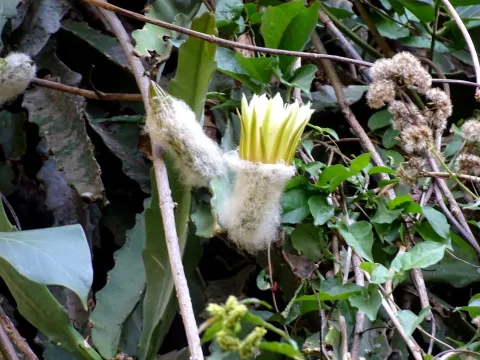
Weberocereus
Weberocereus
Weberocereus is a genus of epiphytic cacti belonging to the Cactaceae family. These plants are native to the tropical forests of Central America, where they thrive by attaching themselves to trees in a humid, shaded environment.
What the section contains


Weberocereus
For successful cultivation, these cacti require bright, indirect light conditions. Direct sunlight can easily scorch the succulent stems, which is why greenhouse shading or filtered indoor light is highly recommended.
The substrate must be light, airy, and free-draining to mimic their natural habitat. A mix consisting of pine bark, perlite, and high-quality peat moss provides the necessary aeration for the sensitive root system.
Environmental humidity is crucial for the health of Weberocereus. High humidity levels, along with well-regulated watering, prevent the stems from shriveling, though it is important to avoid keeping the roots constantly soggy.
Temperature management plays a vital role in plant development. The ideal growing temperature ranges between 20°C and 25°C. During winter, they benefit from a slight drop in temperature to encourage blooming in the following season.
Root rot is the most significant threat to Weberocereus, often caused by overwatering or poor drainage. Once root decay begins, it is often difficult to save the plant, making preventative measures essential.
Mealybugs are common pests that hide in the crevices of the cactus stems. They feed on plant sap and can weaken the specimen significantly, requiring treatment with systemic insecticides or neem oil sprays.
Spider mites thrive in dry, stagnant air conditions and can cause fine webbing and discoloration of the epidermis. Regular misting and adequate air circulation are key to keeping mite populations under control.
Fungal infections, such as stem spot or blight, may occur when the plant is kept in high humidity with zero airflow. Ensuring proper ventilation around the plant helps minimize the risk of such diseases.
Scale insects can also infest the stems, creating hard, protective bumps. Regular inspections and the use of soft brushes to clean the surface are recommended practices for maintaining plant hygiene.