
Thrixanthocereus
Thrixanthocereus
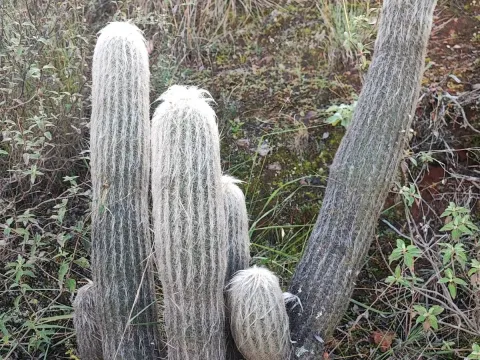
Thrixanthocereus is a genus of columnar cacti belonging to the Cactaceae family. Native to the high-altitude regions of Peru, these plants have evolved to survive in extreme environments characterized by sharp temperature fluctuations and intense solar radiation.
What the section contains


Thrixanthocereus
Botanically, the genus is defined by the presence of a cephalium, a specialized region on the stem covered with dense, often hair-like bristles. From this cephalium, nocturnal flowers emerge, providing the plant with a unique and striking appearance during the flowering season.
Successful cultivation requires a highly porous, well-draining substrate. A typical mix consists of inorganic materials such as pumice, lava rock, and coarse sand. Providing sufficient drainage is the most critical factor in preventing physiological stress and root damage.
The plants demand full sun exposure to maintain their compact structure and dense spine formation. During the winter dormancy period, they should be kept in a cool, dry place to prevent etiolation—stretching caused by insufficient light and warmth during the resting phase.
Thrixanthocereus is primarily utilized in ornamental horticulture and botanical collections. Due to their slow growth rate and specialized needs, they are typically found in the collections of dedicated cactus enthusiasts rather than in general commercial plant production.
The most common pests affecting this genus are mealybugs and spider mites, which can easily hide within the dense hairs and spines. Regular inspections and the application of appropriate biological or chemical controls are recommended to keep the plants free of infestation.
Root rot, often caused by overwatering, remains the primary threat to the longevity of the plant. Maintaining strict adherence to the seasonal watering cycle is essential to preserve the integrity of the root system and the overall health of the succulent tissue.