
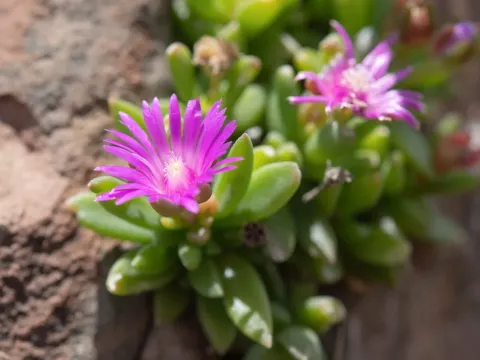
Delosperma
Delosperma
Sowing Delosperma seeds is typically done in late winter, around February or March, to ensure a robust plant structure before the summer growing season.
What the section contains
 Delosperma aberdeenense
Delosperma aberdeenense
Delosperma aberdeenense
 Delosperma congestum
Delosperma congestum
Delosperma congestum
 Delosperma echinatum
Delosperma echinatum
Delosperma echinatum
 Delosperma ecklonis
Delosperma ecklonis
Delosperma ecklonis
 Delosperma herbeum
Delosperma herbeum
Delosperma herbeum
 Delosperma hybrids
Delosperma hybrids
Delosperma hybrids
 Delosperma lehmannii
Delosperma lehmannii
Delosperma lehmannii
 Delosperma lineare
Delosperma lineare
Delosperma lineare
 Delosperma litorale
Delosperma litorale
Delosperma litorale
 Delosperma lydenburgense
Delosperma lydenburgense
Delosperma lydenburgense
 Delosperma napiforme
Delosperma napiforme
Delosperma napiforme
 Delosperma pottsii
Delosperma pottsii
Delosperma pottsii
 Delosperma sphalmanthoides
Delosperma sphalmanthoides
Delosperma sphalmanthoides
 Delosperma sutherlandii
Delosperma sutherlandii
Delosperma sutherlandii
Delosperma
Seeds are surface-sown on a well-draining, sandy substrate, as they require light for optimal germination and should not be covered with a thick layer of soil.
Maintaining a consistent environment with temperatures between 20 and 25 degrees Celsius is crucial for accelerating the germination process of the seeds.
Seedlings should be transplanted into individual pots once they have developed their first true leaves, ensuring they have enough space for healthy root development.
Cuttings represent an effective vegetative propagation method; by taking stem sections in late summer, gardeners can efficiently expand their collection of these succulents.
Belonging to the Aizoaceae family, Delosperma is a fascinating succulent originating from South Africa, known for its extreme resilience to heat and drought.
The plant thrives in full sun, requiring exposure to direct sunlight for the majority of the day to produce its signature vibrant, carpet-like blooms.
Soil composition must be extremely porous; a mix of coarse sand and gravel is ideal to ensure that water never stagnates around the root system.
While the plant is drought-tolerant, occasional watering during prolonged heatwaves helps maintain turgidity and prevents the leaves from shriveling excessively.
During the dormant winter season, particularly in wetter climates, protecting the foliage from excess moisture is vital to prevent rot and ensure winter survival.
Root rot is the most significant threat to Delosperma, primarily caused by overwatering or planting in heavy soils that do not allow for rapid drainage.
Spider mites are common pests that target the plant, especially in hot, dry conditions, causing pale patches and weakening the succulent's overall vigor.
Mealybugs can also infest the plant, residing in the crevices between leaves and stems, and if left untreated, they can lead to secondary fungal infections.
Effective pest management involves regular inspection of the plants and the use of targeted acaricides or insecticides when infestation levels exceed thresholds.
Cultural control, including proper spacing to ensure good air circulation, is the most effective way to prevent the development of common fungal pathogens.