
Delosperma litorale
Delosperma litorale
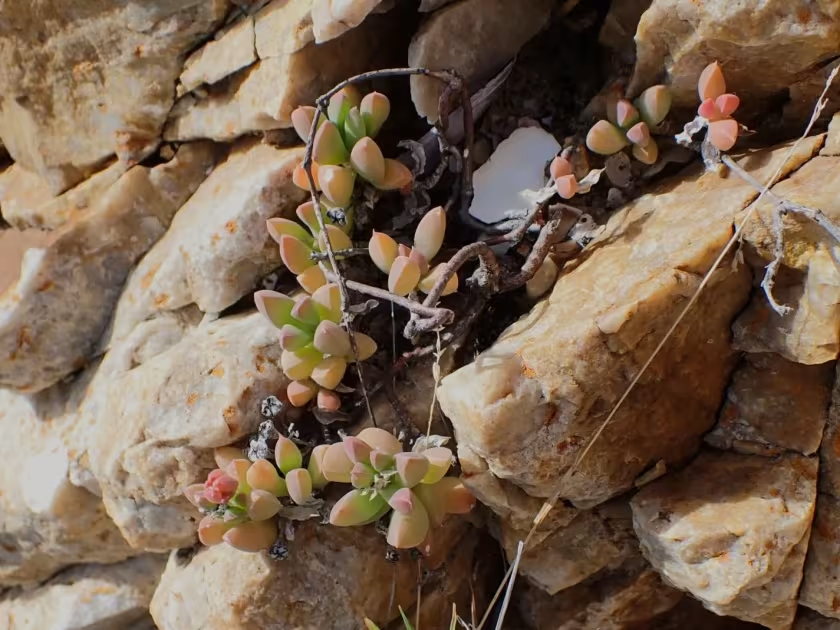
Description
Growing requirements
Delosperma litorale is a perennial succulent belonging to the Aizoaceae family. Native to the coastal regions of South Africa, it is widely valued in horticulture for its resilient ground-covering habits and vibrant floral displays.
Botanically, this species is characterized by fleshy, succulent leaves arranged in dense rosettes or sprawling stems. These morphological traits allow the plant to store significant reserves of water, making it exceptionally well-adapted to arid environments and intense sunlight.
The cultural requirements for Delosperma litorale prioritize high light intensity and sharp drainage. It thrives in sandy or rocky soils, as any organic matter that retains excessive moisture can quickly lead to physiological stress or root collapse.
Regarding climate, the plant requires a long growing season with high temperatures to bloom effectively. While it possesses moderate cold hardiness, it cannot withstand sustained freezing temperatures when the soil moisture is high, as the water in its tissues can cause cell damage.
Agrotechnical maintenance includes minimal fertilization, as this succulent is adapted to nutrient-poor soils. Over-fertilization, especially with nitrogen, results in soft, succulent growth that is highly susceptible to mechanical damage and pest infestations.
Main diseases and pests
The most common threat to Delosperma litorale is root rot caused by pathogenic fungi such as Phytophthora. This usually occurs when the soil does not drain quickly enough after rainfall or improper irrigation cycles.
Mealybugs are the primary insect pests affecting the species. They cluster in the leaf axils, drawing sap from the plant and leading to stunted growth. Their presence is often marked by a white, waxy substance on the leaves.
Spider mites can also be a significant issue, particularly in arid conditions or during indoor overwintering. These pests thrive in dry environments and can cause visible yellowing or mottling of the succulent foliage.
Slugs and snails pose a mechanical threat, as they consume the succulent leaves during nocturnal periods. Maintaining a clean garden surface with gravel or grit acts as a natural deterrent against these mollusks.
Preventative care through proper spacing and airflow management is critical. Ensuring that the foliage dries out quickly after any moisture exposure significantly reduces the risk of fungal proliferation and keeps the plants healthy.