
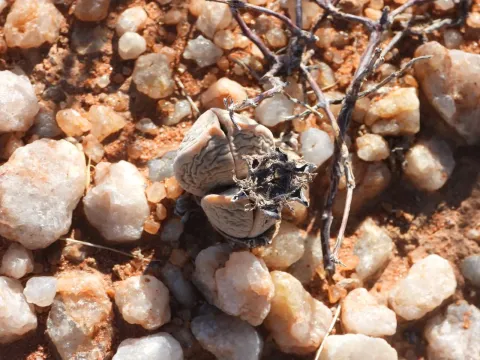
Dinteranthus
Dinteranthus
Sowing Dinteranthus seeds should ideally take place in early spring to take advantage of the increasing photoperiod and natural light intensity.
What the section contains


Dinteranthus
The seeds are extremely small, necessitating surface sowing on a well-draining, mineral-based substrate without covering them with soil.
Creating a humid greenhouse environment with a plastic cover is essential to ensure consistent moisture levels until germination occurs.
Maintain an optimal temperature range of 20 to 25 degrees Celsius, as steady heat is required to break seed dormancy and encourage uniform sprouting.
Once seedlings emerge, they must be gradually acclimated to drier air to prevent damping-off diseases and promote toughening of the plant tissues.
Dinteranthus is a fascinating genus within the Aizoaceae family, native to the arid rocky slopes and plains of South Africa.
These plants require high solar irradiance to maintain their compact shape and characteristic coloration, making sunny window sills essential.
The growing medium must be highly porous, consisting largely of pumice, coarse grit, and sand to prevent any water stagnation around the roots.
Watering requires strict adherence to the wet-dry cycle, providing water only during the active growth phase when the plant body appears slightly shriveled.
A dormant period during winter is non-negotiable; reducing temperatures and withholding water allows the plant to safely complete its annual cycle.
Root rot is the most significant threat to Dinteranthus, usually caused by overwatering or poor ventilation within the growing environment.
Mealybugs are common pests that infiltrate the narrow crevices between the succulent leaves, often difficult to detect until an infestation is severe.
Red spider mites can occur in hot, dry conditions, causing visible damage to the outer epidermis that may remain as permanent scars on the plant.
Poor soil drainage increases the risk of fungal infections that can rapidly compromise the integrity of the root system and the base of the plant.
Regular monitoring and providing adequate airflow are the best preventative measures against most biological threats to this sensitive species.