
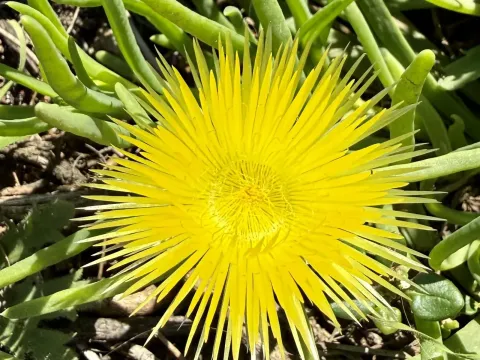
Conicosia
Conicosia
Conicosia is a genus of succulent plants belonging to the Aizoaceae family. These plants are characterized by their ability to thrive in arid environments, storing significant amounts of water within their succulent leaves to survive prolonged droughts.
What the section contains


Conicosia
Originating from the southern regions of Africa, these plants have adapted to sandy, nutrient-poor soils and high levels of solar radiation. Their natural habitat is primarily defined by Mediterranean or desert-like climatic conditions.
Botanically, Conicosia species feature rosette-forming leaves and exhibit showy, daisy-like flowers that open in response to direct sunlight. The plant structure is highly specialized for water conservation and protection against desiccation.
Agricultural success depends on providing a fast-draining substrate, such as a mixture of sand and gravel. Soil drainage is the most critical factor; any stagnation of water around the roots will inevitably lead to plant decay.
The culture requires full sun exposure to maintain its compact growth form. In environments with insufficient light, the plants tend to etiolate, becoming weak and susceptible to physiological disorders.
Root and stem rot caused by various oomycetes and fungi represent the primary threat to the health of Conicosia. These conditions are almost exclusively triggered by improper irrigation and poor soil aeration.
Common pests such as mealybugs and spider mites can colonize the plants, especially in greenhouses or poorly ventilated areas. They feed on cell sap, which can cause significant stunted growth if not addressed promptly.
Integrated pest management should prioritize physical removal and the improvement of environmental conditions over excessive chemical treatments. Systemic fungicides should only be used if there is a verified pathological outbreak.
Prevention of diseases involves strict control of humidity levels and the maintenance of excellent air circulation. Over-watering during the dormancy period is the most common mistake leading to crop failure.
Regular monitoring of the leaf rosettes is essential for detecting pest presence at an early stage. Maintaining a clean cultivation area and using sterilized tools significantly reduces the risk of fungal cross-contamination.