
Acis trichophylla
Acis trichophylla
Description
Growing requirements
Acis trichophylla is a perennial bulbous plant belonging to the Amaryllidaceae family. It is native to the Mediterranean basin, with specific populations found across the Iberian Peninsula and parts of North Africa.
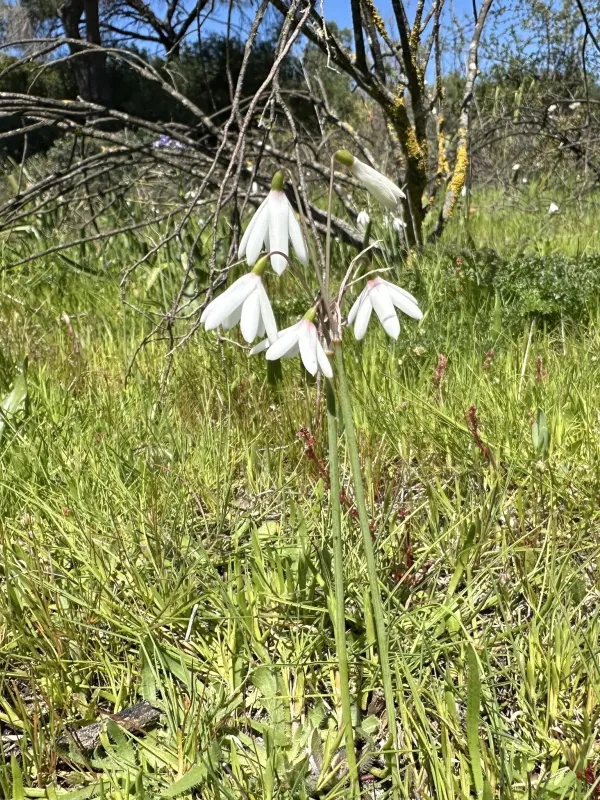
Botanically, this species is defined by its extremely slender, thread-like foliage which distinguishes it from other species in the genus. The flowers typically appear in early spring and are recognized by their delicate, bell-shaped appearance.
This plant thrives in well-drained, gritty, or sandy soils. It is essential to ensure that the site receives ample sunlight, which mimics its natural habitat where it grows in open, rocky terrain.
Cultivation practices must account for the plant's seasonal cycle, characterized by a growth phase during cooler, wetter months and a distinct dormant period during the hot, dry summer.
The primary use of Acis trichophylla is ornamental. It is highly sought after by collectors of Mediterranean bulbous plants and is often featured in rock gardens or greenhouse collections.
Main diseases and pests
The most significant threat to the plant's survival is waterlogging during its dormancy, which leads to rapid decay of the bulbs and basal rot.
Fungal pathogens such as Botrytis can affect the foliage during humid spring days, often resulting in withered tips and reduced vigor of the entire plant.
Insects like bulb mites and aphids may infest the plant, drawing sap and weakening the bulb's ability to produce flowers in the following season.
Gastropods, including snails and slugs, are particularly problematic during the emergence of new growth, often necessitating the use of deterrents.
Effective management involves maintaining high drainage standards, choosing clean growing media, and implementing a strict watering schedule that respects the natural dormancy cycle.