
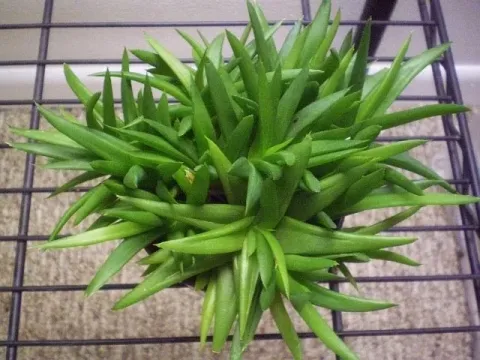
Alworthia
x Alworthia G. D. Rowley
Alworthia is an intergeneric hybrid derived from the cross-pollination of Aloe and Haworthia. As a member of the Asphodelaceae family, it inherits the resilience of its parents while displaying a unique architectural rosette shape suitable for indoor cultivation.
What the section contains


Alworthia
For optimal health, the plant requires bright, indirect light. While it can tolerate some morning sun, exposure to intense midday light often leads to scorched foliage, causing the leaves to lose their vibrant green color and develop unsightly brown spots.
The substrate must be well-draining to mimic the natural arid environment of its ancestors. A mix consisting of coarse sand, perlite, and potting soil in a 2:1:1 ratio is generally recommended to prevent waterlogging and facilitate healthy root development.
Temperature management is critical for the success of this crop. The ideal growing temperature range is 18°C to 24°C, though the plant can survive lower temperatures if the soil is kept completely dry during the winter dormancy period.
Watering should be performed using the soak-and-dry method. Ensure that water is applied directly to the soil, avoiding the center of the rosette, as trapped moisture in the core is the leading cause of crown rot in this succulent species.
Mealybugs are the most common pests affecting Alworthia. These insects hide in the tight spaces between leaves, and if left untreated, they can severely weaken the plant by extracting essential nutrients from the succulent tissues.
Root rot is the primary physiological disorder encountered by growers. It is usually caused by overwatering or using a heavy, non-porous soil mix that retains moisture for too long, leading to the rapid decay of the root system.