
Delosperma echinatum
Delosperma echinatum
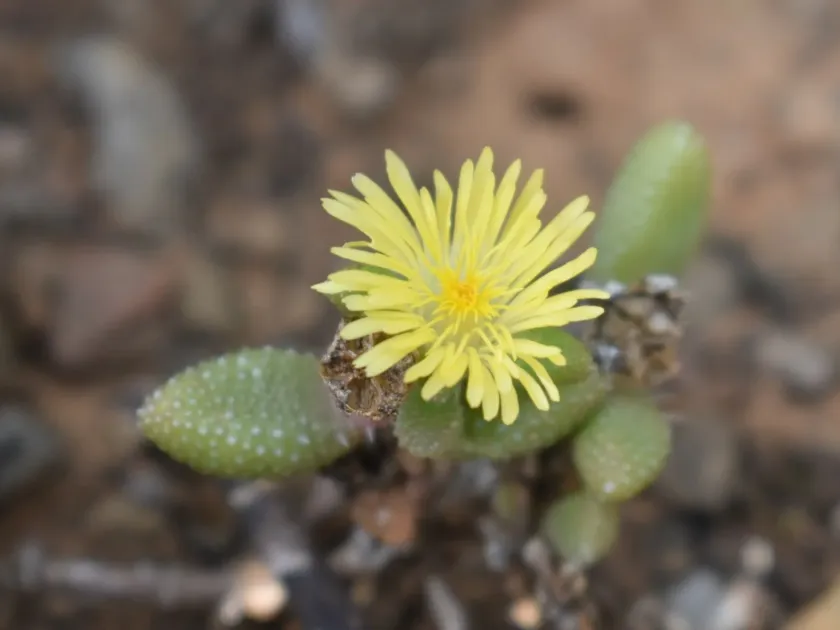
Description
Sowing dates
Propagation of Delosperma echinatum is most effectively achieved through stem cuttings. The optimal time for this process is during the spring and early summer, when the plant is in its active growth phase and has sufficient energy reserves.
Seed propagation is less common due to the slow growth rate of seedlings. If sowing seeds, use a well-draining, sandy substrate and provide bright, indirect light with temperatures maintained between 20–22 degrees Celsius.
Successful rooting requires a loose, breathable growing medium. Before planting, allow the cuttings to dry for 24 hours to ensure the cut surface calluses, which prevents rotting when exposed to the substrate moisture.
After planting in containers, the cuttings need moderate moisture until the root system is established. Typically, the rooting process takes two to four weeks depending on the ambient light and temperature conditions.
Spacing is essential for healthy development. When planting in pots or garden beds, ensure there is at least 15–20 centimeters of space between individual plants to allow for proper air circulation and lateral growth.
Growing requirements
Delosperma echinatum is a succulent belonging to the Aizoaceae family that requires maximum sunlight to maintain its unique appearance. Insufficient light causes the stems to etiolate, making them weak and prone to losing their characteristic density.
The plant has strict soil drainage requirements. An ideal substrate should consist of a large portion of coarse sand, fine gravel, or perlite to prevent water from stagnating around the root zone, which is fatal for this species.
Originating from South Africa, the plant is sensitive to low temperatures and excessive winter moisture. In temperate climates, it is best grown as a container plant and overwintered in a cool, dry, and frost-free environment.
During the summer months, the plant thrives in moderate to high heat. Delosperma echinatum handles direct sun exceptionally well, making it an excellent choice for sunny windowsills, bright conservatories, or Mediterranean-style rock gardens.
Watering must be strictly regulated. During the active growing season, allow the soil to dry out completely between waterings. In the winter, when temperatures drop, watering should be significantly reduced or suspended entirely.
Main diseases and pests
The primary threat to Delosperma echinatum is fungal infection caused by waterlogged soil. Root and stem rots can spread rapidly through the succulent tissues and can lead to the total collapse of the plant in a very short period.
The most common pests affecting this species are mealybugs, which hide in the leaf axils and among the small spines. Their presence is usually identified by the appearance of a white, cotton-like substance on the stems.
Spider mites can also be a problem, particularly if the plant is kept in conditions with poor ventilation and low humidity. These pests suck sap from the leaves, causing discolored patches and premature segments drop.
Preventative care relies on strict adherence to watering schedules and ensuring good airflow. Applying systemic fungicides at the very first signs of decay is crucial for salvaging the infected parts of the plant.
For pest management, systemic insecticides are recommended. Always follow the product instructions carefully and avoid applying chemicals directly to the flowers during the budding phase to prevent damage to the delicate petals.