
Delosperma hybrids
Delosperma hybrids
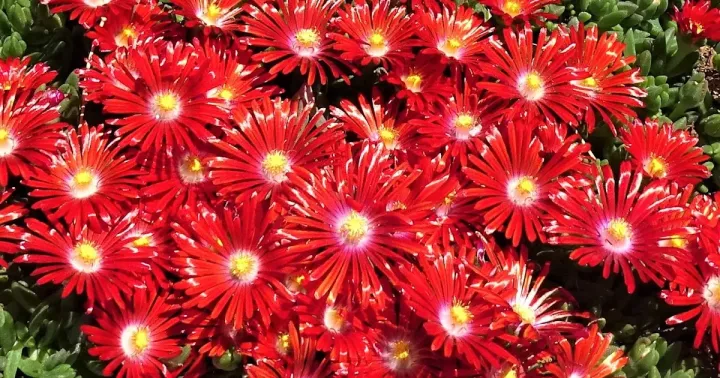
Description
Sowing dates
Sowing seeds of Delosperma hybrids is typically performed in late winter or early spring, specifically during February and March, to ensure a strong start.
The substrate for sowing must be light, porous, and well-draining, incorporating a significant amount of sand or perlite to mimic the natural environment.
The seeds are minute and should be sown on the surface of moistened soil, pressed lightly, and left uncovered as they require light for germination.
Containers should be covered with a transparent film to maintain a consistent humidity and a temperature range of 20-22 degrees Celsius.
Once seedlings have developed their first set of true leaves, they should be transplanted into individual pots to prepare for outdoor planting.
Growing requirements
Delosperma hybrids, belonging to the Aizoaceae family, are popular perennial succulents known for their vibrant flowers and spreading ground-cover habits.
These plants thrive in full sun and require extremely well-draining soil, such as sandy or rocky substrates, to prevent water accumulation near the crown.
Agricultural management focuses on minimal irrigation, as these plants are highly drought-tolerant and perform best in dry, arid climate conditions.
The culture is highly appreciated in landscape design for its ability to stabilize slopes and cover rocky areas where other plants fail to thrive.
In colder zones, winter protection is necessary to prevent the combination of moisture and frost from damaging the root system of the succulents.
Main diseases and pests
The primary concern for Delosperma hybrids is excessive moisture, which leads to root rot and fungal infections, particularly in poorly drained soils.
Mealybugs are the most common pests, often clustering in the leaf axils and stems, which can be managed with targeted insecticidal soaps or systemic treatments.
Aphids may occasionally attack the tender new growth of the plants, causing structural weakness and inviting secondary viral or fungal complications.
To prevent disease outbreaks, it is crucial to ensure adequate spacing between plants to allow for proper airflow and to avoid overhead irrigation.
Integrated pest management involves regular inspections and the application of treatments only when threshold levels of infestation are observed.