
Delosperma napiforme
Delosperma napiforme
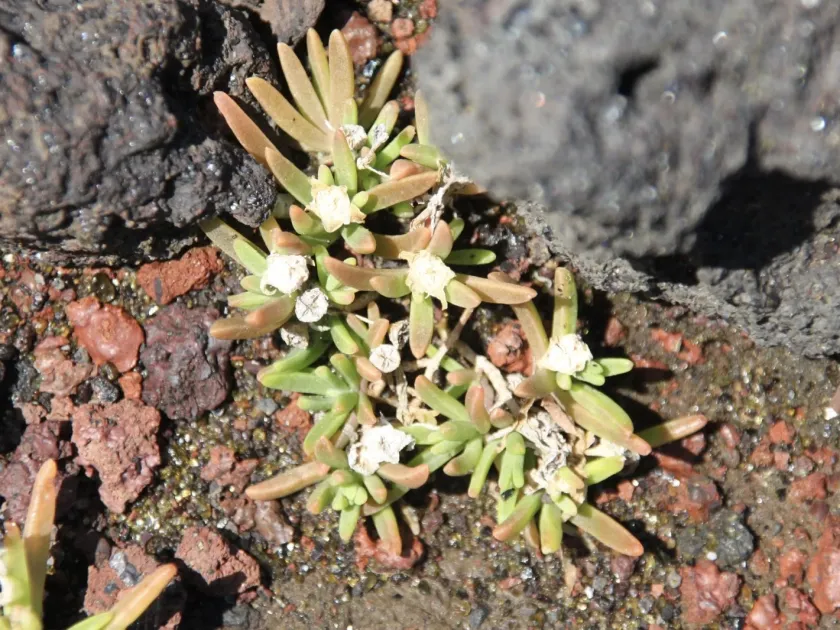
Description
Sowing dates
Propagation of Delosperma napiforme is primarily achieved through seeds or stem cuttings depending on the grower's experience level.
Seeds should be sown on the surface of a porous, sandy growing medium during late winter or early spring to prepare for the growing season.
Maintaining a consistent temperature of 20–22 degrees Celsius is crucial for germination, along with adequate light and ventilation to prevent damping-off.
When propagating by cuttings, it is vital to let the cut end callous over for a few days before placing it into the dry substrate to root.
Young plants should be handled with care and gradually acclimated to direct sunlight to ensure robust development of the characteristic succulent stems.
Growing requirements
Delosperma napiforme is a succulent species belonging to the Aizoaceae family, native to the arid landscapes of Southern Africa.
The plant thrives in full sun, requiring exposure to intense light to maintain its compact growth form and promote healthy flowering.
Well-draining, gritty soil is mandatory for the survival of this plant, as stagnant moisture around the roots will inevitably lead to rot.
During the active growing season, provide moderate watering, allowing the soil to dry out completely between irrigation cycles.
In the dormant winter season, the plant requires cooler temperatures and almost total dryness to simulate its natural environment and prevent decay.
Main diseases and pests
Root and stem rot caused by excessive soil moisture and poor ventilation are the most significant threats to the health of this species.
Mealybugs are the most common pests, often hiding in the crevices between leaves and stems, and can cause significant damage if left untreated.
Spider mites may also infest the plant under conditions of extreme heat and low humidity, leading to discoloration and stunted growth.
Preventive measures include maintaining proper air circulation and avoiding overhead watering, which can trap moisture in the foliage.
- Regular inspection of the root zone.
- Controlled environmental conditions.
- Localized treatment with biological agents.
Harvesting
Harvesting for commercial agricultural purposes does not apply to this species, as its primary utility lies in ornamental gardening and succulent collections.
Seed harvesting should be timed carefully, collecting the capsules as they begin to dry and open to ensure maximum seed viability.
For enthusiasts, the plant is often cultivated to display its unique napiform root system, which can be raised above the soil for artistic effect.
Maintenance involves routine grooming of dead foliage to ensure the plant remains in an aesthetically pleasing and healthy state.
Proper storage of harvested seeds in cool, dry conditions is necessary to maintain high germination rates for future planting cycles.