
Delosperma pottsii
Delosperma pottsii
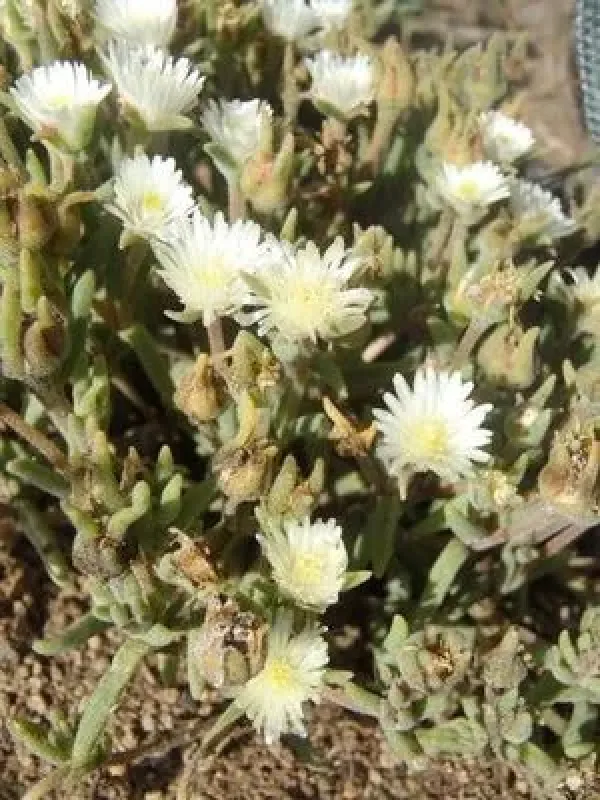
Description
Sowing dates
Propagation of Delosperma pottsii is most effectively achieved through seeds or stem cuttings during the spring. Seeds should be sown in a lightweight, well-draining substrate, barely covering them with soil as they require light to germinate successfully.
The ideal time for sowing is late March or early April when daylight hours increase significantly. It is recommended to cover the seed trays with glass or clear plastic to maintain consistent humidity and temperature until emergence.
For stem cuttings, carefully trim healthy shoots and allow them to callus for a few days before planting them in moist sand or perlite. This method ensures faster development of mature plants while preserving the specific traits of the parent plant.
Young plants require gradual hardening before being transplanted into open ground. Planting in permanent locations should only occur once the risk of night frost has completely passed, as this species is sensitive to extreme cold when unestablished.
To ensure successful rooting, maintain moderate watering without causing waterlogging, which could lead to rot. Cuttings typically establish themselves within two to three weeks when kept in temperatures ranging from 20 to 22 degrees Celsius.
Growing requirements
Delosperma pottsii belongs to the Aizoaceae family and is a perennial ground-covering plant characterized by its fleshy leaves. Originating from the mountainous regions of South Africa, it is naturally adapted to drought and poor, rocky soil conditions.
This crop demands full sun exposure; even minor shading can cause the stems to become leggy and inhibit blooming. The best location for planting is a south-facing slope, rock garden, or retaining wall with excellent drainage properties.
The soil must be highly permeable, with a neutral to slightly acidic pH, and contain a significant proportion of sand or fine gravel. Heavy clay soils that retain moisture are detrimental and will likely cause root system decay over time.
The plant has evolved to store moisture in its tissues, allowing it to survive long dry spells. In temperate climates, providing a dry winter shelter is crucial to protect the plant from excessive moisture, which is the primary cause of winter loss.
Maintenance is minimal, requiring only occasional weeding and watering during extreme heatwaves. Fertilization should be kept to a minimum, using low-nitrogen formulas to avoid promoting excess succulent growth at the expense of flower production.
Main diseases and pests
The primary threat to the health of Delosperma pottsii is soil waterlogging, which frequently leads to root rot. Constant moisture in the root zone is the most significant factor leading to plant failure during the wet spring or autumn seasons.
Pests, particularly mealybugs, can infest the leaf axils and extract sap, leading to stunted growth and yellowing. Regular inspections are vital to detect these pests early and allow for targeted treatment before the infestation spreads.
Aphids may occasionally target the developing buds and tender tips, which can diminish the visual appeal of the flowering display. If necessary, systemic insecticides should be applied carefully according to the product guidelines.
In greenhouses or environments with poor airflow, fungal infections may appear as spotting on the leaves. Preventive measures include ensuring good air circulation and avoiding overhead watering, which keeps the foliage unnecessarily damp.
Slugs and snails can cause damage to the fleshy leaves, especially during periods of high humidity. To protect the plants, it is recommended to use physical barriers or specialized deterrents to keep these mollusks away from the foliage.