
Delosperma lydenburgense
Delosperma lydenburgense
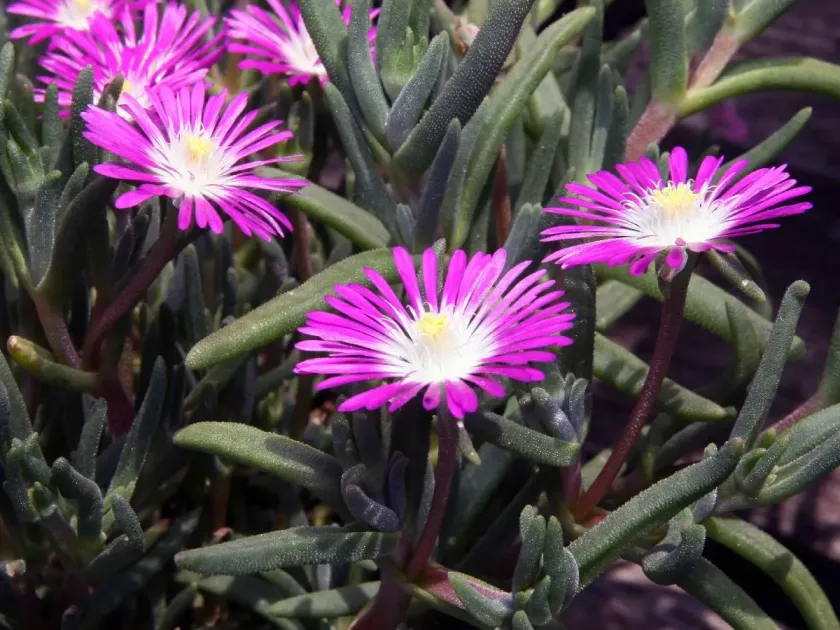
Description
Sowing dates
Propagation of Delosperma lydenburgense is efficiently achieved through seeds or stem cuttings. Seed sowing is typically conducted in early spring using a well-draining, sandy-based seed compost to prevent water retention issues during the germination phase.
Seeds should be surface-sown and pressed gently into the substrate without covering, as they require light for successful germination. Maintaining a stable temperature between 20°C and 22°C ensures high seedling emergence rates.
Stem cuttings represent the most popular method for rapid expansion of nursery stock. Cuttings are harvested from mature stems, left to callus for a few days, and then inserted into dry sand or perlite until rooting occurs.
Before moving seedlings to a permanent outdoor location, it is essential to harden them off over several weeks to build tolerance against environmental stressors like high UV levels and temperature fluctuations.
Proper spacing is crucial; plants should be spaced according to their mature diameter to ensure adequate airflow, which is necessary for maintaining the health of the succulent carpet.
Growing requirements
Delosperma lydenburgense is a member of the Aizoaceae family, natively occurring in the rugged, arid landscapes of South Africa. As a succulent groundcover, it thrives in environments that mimic its natural dry and exposed habitat.
Light requirements are absolute: this species requires full sun exposure for at least six to eight hours daily. Inadequate lighting results in etiolated, leggy growth and a drastic reduction in flower production.
Soil structure is the most critical factor for success; the growing medium must be highly porous and inorganic. Mixing organic soil with horticultural grit or pumice is recommended to achieve the necessary drainage for long-term survival.
While the species is relatively cold-tolerant, it requires a dry winter period to survive. Freezing temperatures combined with saturated soil conditions often lead to tissue collapse and root rot in non-native climates.
Watering frequency should be minimal. During the active growing season, allow the soil to dry out completely between waterings, and withhold irrigation almost entirely during the winter dormancy phase.
Main diseases and pests
The primary threat to the health of Delosperma lydenburgense is excessive moisture, which serves as a catalyst for various soil-borne fungal pathogens. Preventing water stagnation is the most effective form of preventative care.
Mealybugs are the most persistent insect pests, typically congregating in the hidden axils of the fleshy leaves. Targeted application of contact or systemic insecticides is necessary if a localized infestation is observed.
Aphids may occasionally target soft, succulent new growth or buds during the blooming period. These pests weaken the plant and can serve as vectors for secondary viral infections, requiring timely intervention.
In humid areas, slugs and snails can cause significant damage to foliage. Using a physical barrier of sharp gravel or eggshells around the base of the plant effectively deters these common garden pests.
Maintaining high standards of horticultural hygiene, such as removing dead plant debris, reduces the risk of pests and diseases, ensuring the plant remains robust throughout the season.