
Delosperma congestum
Delosperma congestum
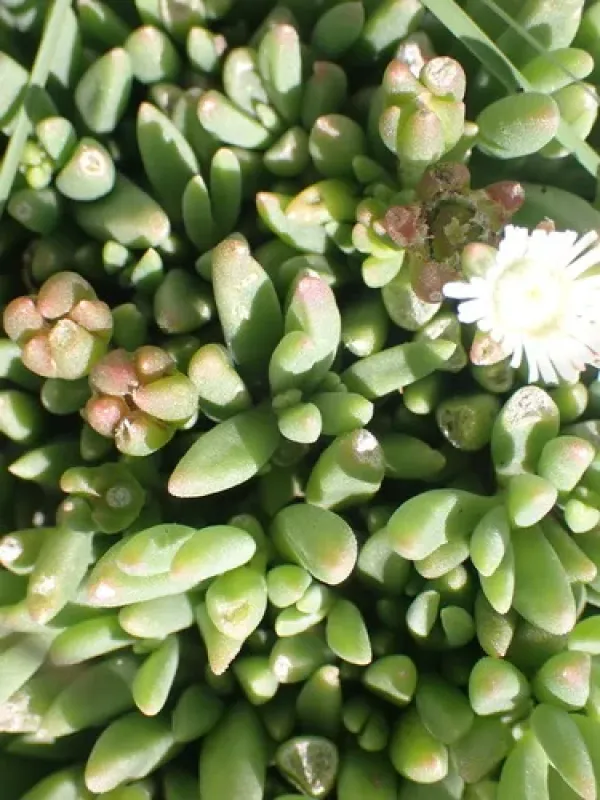
Description
Sowing dates
Sowing Delosperma congestum seeds typically occurs in late winter or early spring. Seeds are sown on the surface of a sandy, well-draining medium and require light to germinate effectively.
It is essential to keep the surface slightly moist but not saturated. Covering the tray with clear plastic helps maintain the necessary humidity levels during the germination process.
Seedlings should be pricked out into individual pots once they develop their first set of true leaves. This allows for better individual root development and reduces crowding.
Transplanting to the permanent location should only take place after the danger of frost has passed. Space plants roughly 25 centimeters apart to facilitate airflow.
Propagation by stem cuttings is also a highly effective method. Cuttings should be allowed to callus for a few days before being placed in a dry, sandy mix for rooting.
Growing requirements
Delosperma congestum, a member of the Aizoaceae family, is a small, mat-forming succulent originating from the high-altitude, rocky regions of South Africa.
Full sun is a critical requirement for this species. Without intense sunlight, the plants become etiolated and are significantly more susceptible to fungal rot and pests.
The soil must provide excellent drainage. A mix of grit, sand, and lean loam is ideal for preventing moisture from lingering around the roots during colder seasons.
While the species is cold-hardy, it is sensitive to "wet feet." A dry, windy winter is much better tolerated than a wet and mild one, which may cause crown rot.
Fertilization should be kept to a minimum. Over-feeding with nitrogen-rich compounds results in soft growth, which is detrimental to the plant's natural hardiness.
Main diseases and pests
Root rot is the most common threat to this plant. It is almost exclusively caused by poorly drained soil or prolonged exposure to winter moisture.
Fungal leaf spots may occur in environments with poor ventilation or high humidity, necessitating the removal of affected parts and improved spacing between plants.
Mealybugs are the primary insect pests affecting Delosperma. They tend to hide within the tight leaf rosettes, making them difficult to detect until an infestation is established.
Aphids can occasionally be a problem during the flowering season, specifically targeting the succulent buds, which can stunt the development of flowers.
- Ensure perfect soil drainage.
- Avoid over-watering in autumn and winter.
- Monitor for pests within leaf axils.
- Apply systemic insecticides only when necessary.
- Improve air circulation around the plants.