
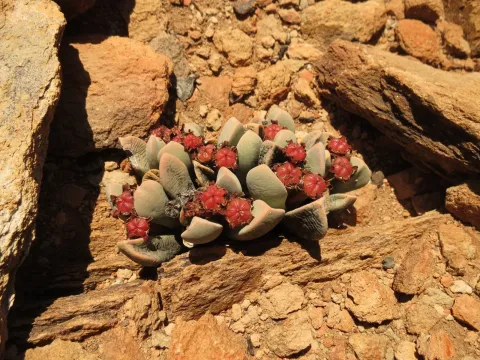
Cerochlamys
Cerochlamys
Seed propagation of Cerochlamys is best performed during the spring season to take advantage of increasing daylight hours. March and April are considered the optimal months for sowing.
What the section contains


Cerochlamys
A light, porous soil mix containing plenty of sand and minimal organic matter is essential for successful germination. Seeds are sown on the surface and should not be covered with a thick layer of soil.
Maintaining a stable temperature of approximately 20–22 degrees Celsius is crucial. Using a transparent cover helps create a consistent microclimate with adequate humidity for the developing seeds.
Once seedlings emerge, they should be gradually acclimated to ambient air conditions. Removing the cover slowly over several days prevents shock and promotes stronger growth.
Transplanting into individual pots is necessary only after the seedlings have developed a robust rosette. Avoid oversized containers to ensure the soil dries out properly between waterings.
Cerochlamys is a genus within the Aizoaceae family, native to the arid regions of South Africa. As a succulent, it is well-adapted to high light intensity and limited water availability.
Providing direct sunlight is vital for maintaining the plant’s compact structure. Without sufficient light, the plant will become etiolated and lose its characteristic aesthetic appeal.
Watering must be done sparingly, allowing the substrate to dry out completely before the next irrigation. Excessive water retention in the pot is the most common cause of root rot in this species.
The growing medium must have excellent drainage properties. A mix of pumice, perlite, and coarse sand provides the aeration necessary for healthy root function and development.
A dormant period during winter is essential for the plant's natural cycle. Reduced temperatures and minimal watering during these months encourage better growth and flowering in the following season.
The most frequent threats to Cerochlamys involve fungal diseases resulting from overwatering. High humidity levels without adequate air circulation quickly lead to stem and root decay.
Mealybugs are the primary insect pests that affect this plant, often hiding in the crevices between leaves. Regular monitoring of the plant’s hidden parts is necessary to catch infestations early.
Spider mites can also be problematic if the indoor environment becomes excessively dry and hot. These pests pierce the leaf tissue, causing discolouration and overall decline in vigor.
Preventive maintenance involves keeping the plant clean and ensuring good airflow around the pot. Avoiding moisture buildup on the leaves is key to preventing most fungal infections.
When chemical treatment is required, ensure the product is labeled as safe for succulents. Always perform a patch test on a small area of the plant to check for phytotoxicity before broad application.
Cerochlamys is grown primarily for its ornamental value in specialized succulent collections. It has no agricultural or industrial use, and its value is strictly limited to horticulture.
Harvesting seeds requires waiting for the flowers to fade and the fruit to ripen completely. Once the seed pods dry naturally, they can be removed and processed for future sowing.
Vegetative propagation is achieved by carefully separating side shoots or offsets from the mother plant. Each offset must be dried in a shaded area until a callus forms before planting.
Proper preparation of cuttings ensures that they do not succumb to rot upon contact with damp soil. The callous acts as a protective barrier against soil-borne pathogens.
The popularity of Cerochlamys among enthusiasts stems from its unique leaf morphology. Success in cultivating these plants relies on mimicking their natural environment as closely as possible.