
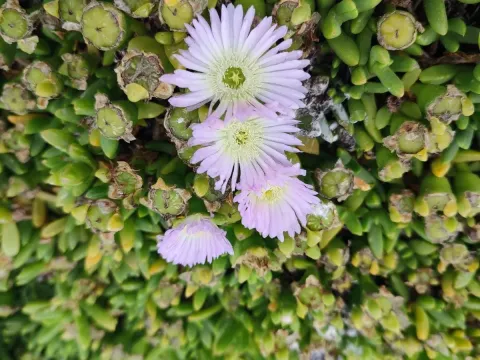
Disphyma
Disphyma N. E. Br. x Glottiphyllum Haw. ex N. E. Br.
Propagation of Disphyma is most effectively achieved through stem cuttings. The optimal time for this procedure is during the active growing season, which typically spans from mid-spring to early summer, ensuring the plants have enough vitality to root quickly.
What the section contains

Disphyma
Seed propagation requires controlled environmental conditions. A constant temperature range of 20-25 degrees Celsius is essential for germination, combined with high humidity provided by a covered propagation tray or a greenhouse environment.
The potting medium must be highly porous to ensure rapid drainage. A mixture specifically designed for cacti and succulents, supplemented with coarse sand or perlite, provides the necessary structure to prevent water retention around the young root system.
Initial irrigation should be minimal, as seedlings are highly susceptible to damping-off disease. Misting the surface lightly is preferred over heavy watering until the root systems are established and the plants show signs of secondary growth.
Transplanting seedlings into their permanent containers or designated outdoor areas should occur once they have developed a robust root ball. This timing ensures that the young plants can successfully adapt to less frequent watering cycles.
Disphyma belongs to the Aizoaceae family and is recognized as a hardy succulent. These plants are biologically specialized to thrive in arid environments by storing water within their succulent leaves, allowing them to withstand extended periods of drought.
Abundant direct sunlight is the primary requirement for healthy development. Inadequate light levels will cause the plant to etiolate, resulting in weak stems, poor color density, and a significant reduction in the frequency and quality of flowering.
The climate requirements include moderate temperatures during the growth phase and a cooler resting period during the winter. Keeping the plant in a cooler environment, between 10 and 15 degrees Celsius, during winter months is vital for its natural cycle.
Soil composition should mimic the plant's native habitat, favoring sandy, mineral-rich, and well-draining substrates. Dense, water-retentive soils are detrimental, as they prevent the necessary oxygen exchange in the rhizosphere and cause root failure.
Fertilization should be handled with caution. Disphyma grows naturally in poor soils, so infrequent applications of a balanced, low-nitrogen fertilizer during the spring are sufficient to support growth without causing overly soft or susceptible tissue.
The most significant threat to Disphyma is waterlogged soil. Excess moisture around the roots leads to rapid onset of root rot, which is often irreversible. Proper drainage is the most effective preventative measure against this condition.
Common pests include mealybugs and spider mites, which thrive in indoor environments with low humidity. These pests can cause significant damage by feeding on the plant's sap and weakening its structural integrity over time.
Effective management of pest infestations requires immediate isolation of the affected specimen. Systemic insecticides are recommended for treatment, followed by a thorough inspection of neighboring plants to prevent the spread of the infestation.
Preventative maintenance involves ensuring adequate airflow around the plant canopy to reduce humidity levels and discourage fungal pathogen development. Regularly removing any dead or decaying foliage helps maintain a healthy growing environment.
Agronomic monitoring of the moisture status of the soil is essential. If the soil remains damp for too long, the irrigation schedule must be immediately adjusted to allow for complete drying of the substrate between watering cycles.