
Delosperma lineare
Delosperma lineare
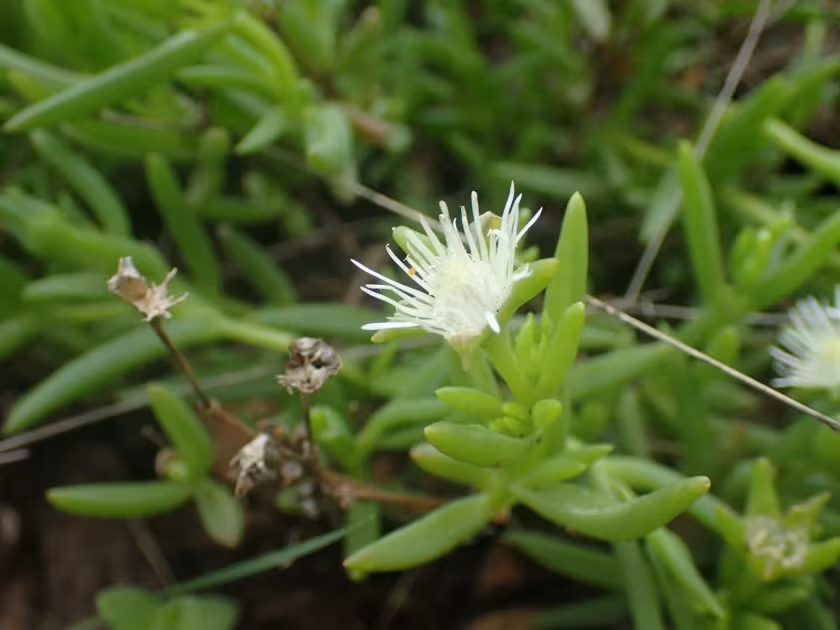
Description
Sowing dates
Sowing Delosperma lineare is primarily performed using seeds in late winter or early spring, typically between February and March. Seeds should be sown on the surface of a light, well-draining substrate without deep burial, as they require light for germination.
To ensure optimal sprouting, containers should be covered with glass or transparent film to create a mini-greenhouse environment. Maintaining a temperature range between +20°C and +22°C is critical for stimulating uniform seedling emergence.
Pricking out the young seedlings is necessary once they develop two true leaves. This procedure requires careful handling because the root system is extremely delicate and susceptible to mechanical damage during transplantation.
Transplanting into open ground should only occur after all risks of late spring frosts have passed. Plants must undergo an acclimatization period on open air for one to two weeks before being permanently planted into their outdoor locations.
Vegetative propagation via cuttings is a highly effective and common method. Cuttings should be dried for a few days to callous the cut surface, then planted into a dry sandy medium where they will rapidly develop roots under moderate care.
Growing requirements
Delosperma lineare is a succulent member of the Aizoaceae family. It is native to the arid regions of Southern Africa, where it has evolved to thrive in harsh, water-limited environments while tolerating high temperatures.
The plant has a strict requirement for high light intensity; it needs maximum direct sunlight to bloom profusely and maintain its compact, decorative growth habit. In shaded conditions, the stems tend to stretch and the plant loses its vigor.
The soil must be predominantly sandy or stony, providing perfect drainage characteristics. Any water stagnation in the root zone is fatal for this species, as it rapidly leads to root rot and the subsequent death of the entire plant.
While highly drought-tolerant, the plant requires protection from excessive moisture during cold winters. In temperate climates, it is often best suited for rock gardens with excellent drainage or container cultivation that can be moved to dry spots.
Delosperma prefers neutral to slightly alkaline soil conditions and does not react well to high levels of organic fertilizer. Excessive nitrogen applications should be avoided as they promote lush vegetative growth at the expense of flowering.
Main diseases and pests
The greatest threat to Delosperma lineare is overwatering and poor aeration, which favor the development of fungal pathogens. Root and stem rot are the primary causes of plant loss, particularly during periods of high humidity and rainfall.
Mealybugs represent a significant pest threat, especially in greenhouse or protected conditions. These insects feed on plant sap, causing stunted growth, leaf deformation, and a significant weakening of the overall health of the specimen.
Aphids can infest soft, emerging shoots during the early stages of the growing season. Regular inspection of the foliage is recommended to catch infestations early and apply mechanical or biological controls before they multiply.
Spider mites are common in hot and dry weather conditions, manifesting as fine webbing on the leaves. These pests cause the foliage to lose its natural color and vigor, leading to premature yellowing and eventual leaf drop if untreated.
Disease management is largely preventative, relying on the selection of well-drained planting sites and careful irrigation management. Chemical fungicides and insecticides should be used sparingly, following specific label instructions for succulents.