
Chasmatophyllum
Chasmatophyllum
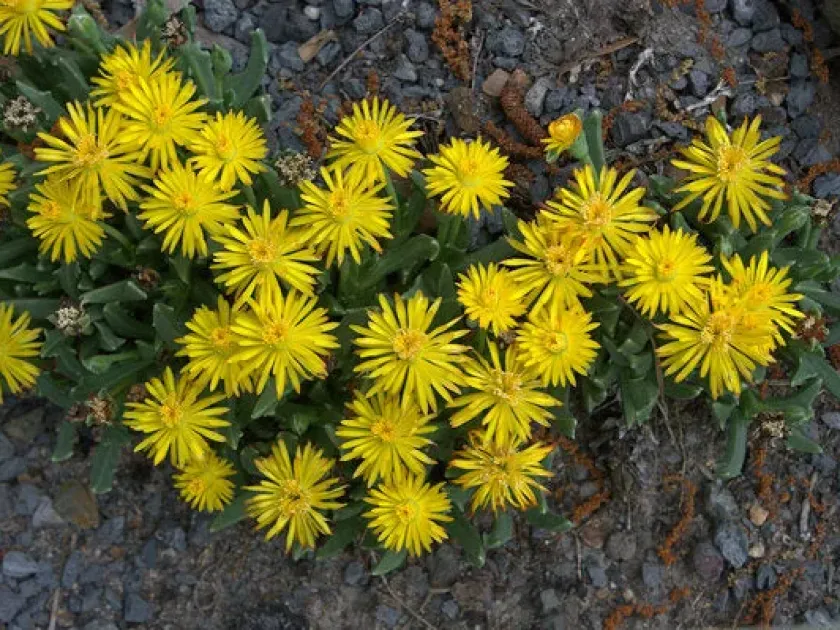
Description
Sowing dates
The propagation of Chasmatophyllum is most successful when carried out by seeds during the early spring months. This timing aligns with the natural growing cycle, ensuring sufficient sunlight and warmth to support the development of young seedlings.
Seeds should be sown in a well-draining mineral-based substrate. A mixture consisting of coarse sand, perlite, and a small portion of sterile compost is ideal to provide the necessary structure while preventing moisture retention around the delicate seeds.
Maintaining a temperature range of 20–25 degrees Celsius is crucial for consistent germination. The sowing container should be kept in a bright location but shielded from intense, direct midday sun until the seedlings have established their first set of true leaves.
Initial watering should be provided via a fine mist or bottom irrigation to avoid displacing the tiny seeds. Keeping the substrate consistently but not excessively moist is the primary goal during the first two weeks of the germination process.
Transplanting (pricking out) should be performed with extreme caution once the seedlings have reached a reasonable size. Due to the slow growth rate of Chasmatophyllum, it is recommended to keep young plants in the same container for the first growing season.
Growing requirements
Chasmatophyllum is a genus of succulent plants belonging to the Aizoaceae family, native to the arid regions of Southern Africa. These plants have evolved to thrive in harsh environments, utilizing their thick leaves to store moisture for extended dry periods.
The most important environmental requirement for this culture is intense sunlight. In an indoor setting, it requires a southern exposure to prevent etiolation and to maintain the tight, compact growth habit that is characteristic of the species.
Soil composition must be focused on drainage above all else. A standard succulent mix, often supplemented with extra pumice or granite grit, provides the necessary aeration to prevent roots from suffocating and rotting.
Watering must follow the seasonal cycle: active growth occurs in spring and autumn, requiring infrequent but thorough watering once the soil has dried completely. During the hot summer or cold winter dormancy, the plant should be kept almost entirely dry.
Good ventilation is vital for maintaining the health of Chasmatophyllum. Stagnant air coupled with high humidity can quickly lead to fungal infections and the rapid degradation of the plant's delicate leaf tissue.
Main diseases and pests
Root rot, caused by overwatering or soil with poor drainage, remains the most frequent threat to the survival of Chasmatophyllum. Once established, the rot spreads quickly, often resulting in the loss of the entire plant structure.
The mealybug is a common pest that finds refuge in the narrow spaces between the succulent leaves. These pests are notoriously difficult to eradicate once they settle, as their waxy protective coating shields them from many contact pesticides.
Spider mites can also become problematic, especially in environments with very low humidity levels. They feed on the sap of the plant, causing scarring and overall loss of vigor, which can eventually lead to the plant's decline.
Effective control measures include the use of systemic insecticides for pest management and strict adherence to irrigation schedules to prevent fungal growth. In cases of severe infection, it is often necessary to remove the plant from the soil and clean its roots.
Proactive care, such as regular inspection for pests and providing optimal light conditions, is the best strategy for preventing damage. Keeping the environment clean and ensuring the plant has enough space will reduce the likelihood of chronic issues.