
Delosperma ecklonis
Delosperma ecklonis
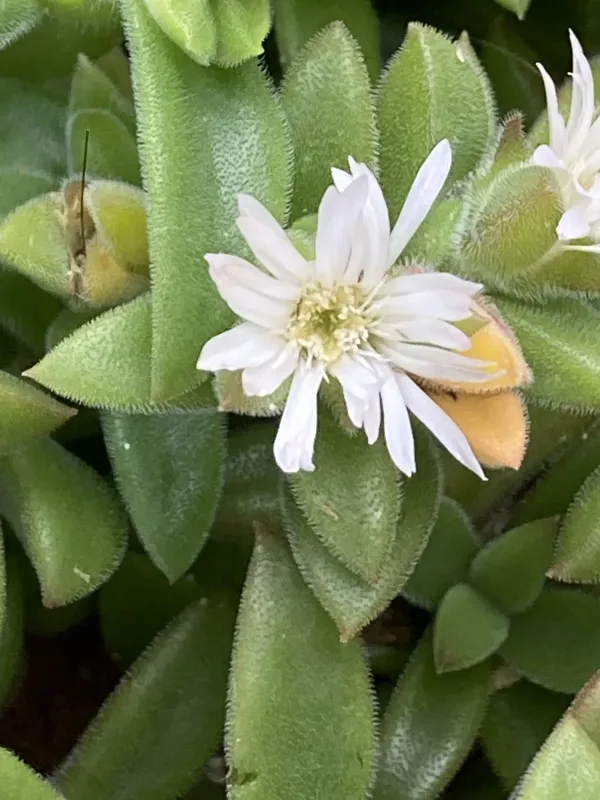
Description
Sowing dates
Sowing Delosperma ecklonis seeds should be initiated in late winter or early spring, typically around February or March. This timing ensures the seedlings develop a robust root system before the warmer planting season.
The seeds are exceptionally small and should be sown on the surface of a fine, well-draining seed-starting mix. Do not cover them deeply, as they require light to germinate effectively.
Maintain consistent moisture by covering the tray with clear plastic or glass. A stable temperature around 20–22 degrees Celsius is essential to encourage uniform germination of the seeds.
Once true leaves appear, seedlings should be carefully pricked out into individual pots. Handling them with care is vital, as the tender root systems are prone to damage during this transition phase.
Transplanting to the permanent outdoor location should only occur after the danger of frost has passed. Ensure the plants are gradually acclimatized to outdoor conditions to prevent transplant shock.
Growing requirements
Delosperma ecklonis is a succulent member of the Aizoaceae family. Originating from the arid regions of South Africa, it has evolved to thrive in harsh, sunny environments with minimal water resources.
This plant demands full sun exposure to flourish. Lack of sufficient sunlight will cause the stems to become leggy, significantly reducing the density and the vibrant flowering potential of the plant.
Soil requirements focus on extreme drainage. A mix of sand, grit, and gravel is ideal, as any standing water around the roots will inevitably lead to physiological stress and potential root rot.
While the plant is highly drought-tolerant, occasional deep watering during extreme summer heat is beneficial. However, in cooler months, the soil should be kept as dry as possible to ensure longevity.
The plant performs best in lean soils. Excess nitrogen fertilization should be avoided, as it encourages weak, succulent growth that is more susceptible to environmental stress and pest infestations.
Main diseases and pests
Root rot is the most common threat to Delosperma ecklonis. This condition is primarily caused by poor soil drainage combined with excessive moisture, particularly during the dormant winter period.
Mealybugs are the most frequent insect pest encountered in both garden and greenhouse settings. These small insects feed on plant sap and can cause significant damage if left untreated early on.
Spider mites can also attack the succulent foliage during periods of low humidity and high temperatures. Regular inspection of the plant's undersides is necessary to catch infestations at an early stage.
Fungal infections can develop if the foliage remains wet for prolonged periods. To prevent this, ensure that there is adequate airflow between plants and avoid overhead watering that wets the leaves.
Effective pest management involves using systemic insecticides or insecticidal soaps, provided they are safe for use on succulent species. Always monitor soil moisture to maintain the plant's natural resistance.