
Delosperma sphalmanthoides
Delosperma sphalmanthoides
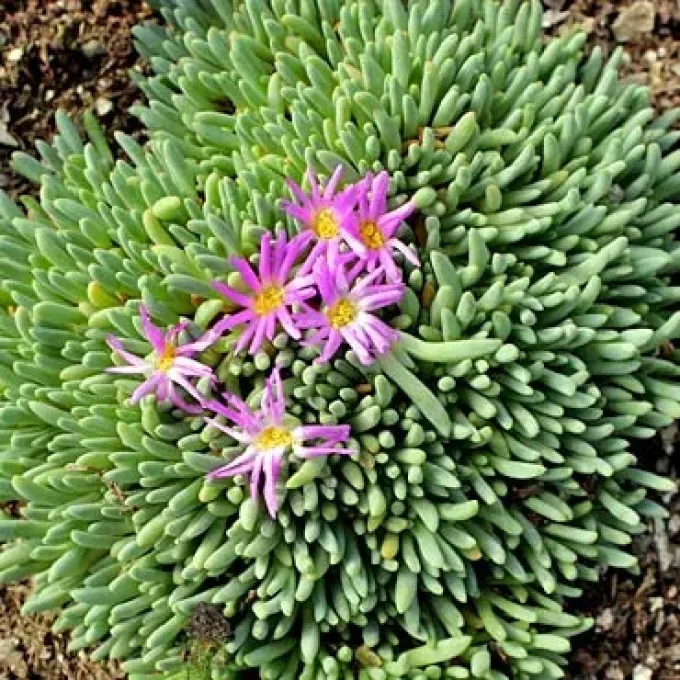
Description
Sowing dates
Sowing seeds of Delosperma sphalmanthoides is best done in late winter or early spring using a very light, well-draining sandy substrate. Seeds should be sown on the surface as they require light to germinate effectively.
Covering the trays with glass or clear plastic helps maintain a consistent humidity and temperature level of about 20 degrees Celsius. Ensure daily ventilation to prevent damping-off diseases and excessive condensation inside the tray.
Pricking out seedlings should be performed once they develop their first set of true leaves. Because the young plants are delicate, they should be handled with tweezers to avoid damaging their fine root structures.
Transplanting into the garden should occur only after all risks of frost have passed. Gradually acclimatize the plants to full sun and outdoor conditions before final planting to prevent leaf scorching.
Vegetative propagation via cuttings is a highly effective method for this species. Stem cuttings can be placed directly into dry grit or sand where they will root relatively quickly during the warm season.
Growing requirements
Delosperma sphalmanthoides is a member of the Aizoaceae family, characterized by its compact, succulent growth habit. It originates from the high-altitude, arid regions of South Africa, which defines its inherent toughness.
This crop requires excellent drainage above all else. The soil mix should consist of a large proportion of inorganic material such as grit, pumice, or sharp sand to prevent moisture accumulation around the base of the plant.
Full sun is non-negotiable for this species to thrive. In shaded areas, the plant will rapidly lose its compact, mounded shape, stems will become etiolated and weak, and flower production will diminish significantly.
Climatic requirements involve a period of moderate watering during the active growth phase, followed by a strict dry period during winter dormancy. Keeping the roots dry during freezing temperatures is key to its cold hardiness.
The plant is highly adaptable to poor, rocky soils. In an agricultural or horticultural context, it serves as an excellent ground cover for alpine gardens, provided that the soil chemistry remains neutral to slightly acidic.
Main diseases and pests
The primary threat to this crop is waterlogging. Excess moisture leads to rapid root rot, which is often irreversible. Proper soil structure is the only effective preventative measure against this physiological threat.
Mealybugs are the most common insect pest, hiding within the tight clusters of fleshy leaves. Inspecting the undersides of the foliage regularly allows for early detection and removal before a full infestation occurs.
Aphids may target the emerging flower buds during the peak blooming season. If the infestation is light, they can be manually removed or washed off with a gentle stream of water, avoiding harsh synthetic pesticides.
Slugs and snails can consume young growth during wet spring weather. Protecting the plants with physical barriers or organic bait traps is essential to maintain the structural integrity of the succulent cushions.
Fungal leaf spot diseases can develop if the plant is kept in an environment with poor air circulation. Proper spacing between individual plants is necessary to promote drying and minimize the risk of infection.