

Reference · Pests
Tephritidae
Fruit flies, belonging to the family Tephritidae within the order Diptera, are among the most significant agricultural pests worldwide. They are easily recognized by the complex, patterned markings on their wings. While many species are harmless, those that infest crops pose a severe threat to global fruit and vegetable production.
514
items
What the section contains
 European cherry fruit fly
Rhagoletis cerasi
19 products
European cherry fruit fly
Rhagoletis cerasi
19 products
 Sea buckthorn fly
Rhagoletis batava
18 products
Sea buckthorn fly
Rhagoletis batava
18 products
 Melon fly
Myiopardalis pardalina
4 products
Melon fly
Myiopardalis pardalina
4 products
 Safflower fly
Acanthiophilus helianthi
1 product
Safflower fly
Acanthiophilus helianthi
1 product
 Acanthonevra
Acidiella
Acidiella
Acanthonevra
Acanthonevra
Acidiella
Acidiella
 Acidiella kagoshimensis
Acidiella kagoshimensis
Acidiella kagoshimensis
 Acidoxantha
Acidoxantha
Acidoxantha
 Acinia
Acinia
Acinia
 Acinia picturata
Acinia picturata
Acinia picturata
 Acroceratitis
Acroceratitis distincta
Acroceratitis distincta
Acroceratitis plumosa
Acroceratitis plumosa
Acroceratitis
Acroceratitis
Acroceratitis distincta
Acroceratitis distincta
Acroceratitis plumosa
Acroceratitis plumosa
 Adrama
Adrama austeni
Adrama austeni
Adrama
Adrama
Adrama austeni
Adrama austeni
 African fruit fly
Ceratitis fasciventris
African fruit fly
Carpophthoromyia dimidiata
African fruit fly
Ceratitis striatella
African fruit fly
Trirhithrum fraternum
African fruit fly
Ceratitis fasciventris
African fruit fly
Carpophthoromyia dimidiata
African fruit fly
Ceratitis striatella
African fruit fly
Trirhithrum fraternum
 African melon fly
Dacus africanus
African melon fly
Dacus africanus
 Amber fruit fly
Chaetorellia succinea
Amber fruit fly
Chaetorellia succinea
 Anastrepha
Anastrepha alveata
Anastrepha alveata
Anastrepha aphelocentema
Anastrepha aphelocentema
Anastrepha bistrigata
Anastrepha bistrigata
Anastrepha chiclayae
Anastrepha chiclayae
Anastrepha conflua
Anastrepha conflua
Anastrepha consobrina
Anastrepha consobrina
Anastrepha coronilli
Anastrepha coronilli
Anastrepha curitis
Anastrepha curitis
Anastrepha
Anastrepha
Anastrepha alveata
Anastrepha alveata
Anastrepha aphelocentema
Anastrepha aphelocentema
Anastrepha bistrigata
Anastrepha bistrigata
Anastrepha chiclayae
Anastrepha chiclayae
Anastrepha conflua
Anastrepha conflua
Anastrepha consobrina
Anastrepha consobrina
Anastrepha coronilli
Anastrepha coronilli
Anastrepha curitis
Anastrepha curitis
 Anastrepha distincta
Anastrepha distincta
Anastrepha distincta
 Anastrepha ethalea
Anastrepha fuscicauda
Anastrepha fuscicauda
Anastrepha integra
Anastrepha integra
Anastrepha interrupta
Anastrepha interrupta
Anastrepha kuhlmanni
Anastrepha kuhlmanni
Anastrepha ethalea
Anastrepha ethalea
Anastrepha fuscicauda
Anastrepha fuscicauda
Anastrepha integra
Anastrepha integra
Anastrepha interrupta
Anastrepha interrupta
Anastrepha kuhlmanni
Anastrepha kuhlmanni
 Anastrepha leptozona
Anastrepha levefasciata
Anastrepha levefasciata
Anastrepha lutea
Anastrepha lutea
Anastrepha lutzi
Anastrepha lutzi
Anastrepha manizaliensis fruit fly
Anastrepha manizaliensis
Anastrepha montei
Anastrepha montei
Anastrepha mucronota
Anastrepha mucronota
Anastrepha nolazcoae
Anastrepha nolazcoae
Anastrepha ocresia
Anastrepha ocresia
Anastrepha leptozona
Anastrepha leptozona
Anastrepha levefasciata
Anastrepha levefasciata
Anastrepha lutea
Anastrepha lutea
Anastrepha lutzi
Anastrepha lutzi
Anastrepha manizaliensis fruit fly
Anastrepha manizaliensis
Anastrepha montei
Anastrepha montei
Anastrepha mucronota
Anastrepha mucronota
Anastrepha nolazcoae
Anastrepha nolazcoae
Anastrepha ocresia
Anastrepha ocresia
 Anastrepha ornata
Anastrepha paradentata
Anastrepha paradentata
Anastrepha ornata
Anastrepha ornata
Anastrepha paradentata
Anastrepha paradentata
 Anastrepha pickeli
Anastrepha pseudanomala
Anastrepha pseudanomala
Anastrepha pickeli
Anastrepha pickeli
Anastrepha pseudanomala
Anastrepha pseudanomala
 Anastrepha pseudoparallela
Anastrepha pseudoparallela
Anastrepha pseudoparallela
 Anastrepha raveni
Anastrepha recurcauda
Anastrepha recurcauda
Anastrepha raveni
Anastrepha raveni
Anastrepha recurcauda
Anastrepha recurcauda
 Anastrepha sororcula
Anastrepha sororcula
Anastrepha sororcula
 Anastrepha striata
Anastrepha superflua
Anastrepha superflua
Anastrepha trivittata
Anastrepha trivittata
Anastrepha turpiniae
Anastrepha turpiniae
Anastrepha velezi
Anastrepha velezi
Anastrepha woodi
Anastrepha woodi
Anastrepha zenildae
Anastrepha zenildae
Anastrepha striata
Anastrepha striata
Anastrepha superflua
Anastrepha superflua
Anastrepha trivittata
Anastrepha trivittata
Anastrepha turpiniae
Anastrepha turpiniae
Anastrepha velezi
Anastrepha velezi
Anastrepha woodi
Anastrepha woodi
Anastrepha zenildae
Anastrepha zenildae
Marketplace
Products in this section · 12


MOSCOW TRANSPARENCY
BOTANIChESKIJ SAD MGU IM.M.V.LOMONOSOVA
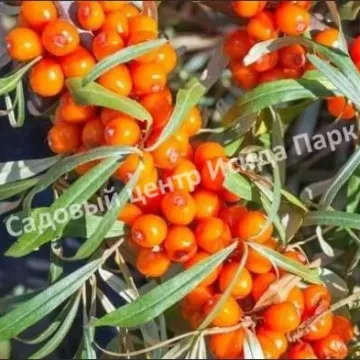
Sea Buckthorn
0
0
2 offers
0.29 €per pack
Buy

MOSCOW PINEAPPLE HIPPOPHAE RHYMPHOLATA
BOTANIChESKIJ SAD MGU IM.M.V.LOMONOSOVA
Sea Buckthorn
0
0
4 offers
13.65 €per pack
Buy
Tephritidae
These pests target a wide range of hosts, from stone fruits and citrus to melons and various vegetables. Their ability to adapt to different environments makes them difficult to eradicate once they become established. By targeting the developing fruits, they directly impact the marketable value of agricultural produce.
The life cycle of a tephritid fly follows a complete metamorphosis: egg, larva, pupa, and adult. Females use their ovipositor to insert eggs beneath the skin of a fruit. The larvae then feed internally, destroying the fruit's structure from within. This cryptic feeding habit makes them particularly difficult to manage using external contact insecticides alone.
Damage caused by fruit flies is often characterized by premature fruit drop, rotting tissues, and visible puncture marks on the skin. Inside, the fruit is often riddled with larvae and their frass, rendering it completely inedible. Secondary bacterial or fungal infections often follow the initial damage, accelerating the decay process.
Integrated Pest Management (IPM) is essential for effective control. Key strategies include:
- Deployment of pheromone traps to monitor adult populations.
- Strict sanitation, including the prompt removal and destruction of fallen or infested fruit.
- Soil management techniques, such as cultivation, to disturb pupae overwintering in the ground.
- Application of insecticidal baits or systemic sprays timed precisely with the adult activity peaks.
- Implementation of biological control agents and sterile insect technique programs in commercial regions.