
Acroceratitis
Acroceratitis
Description
How to identify
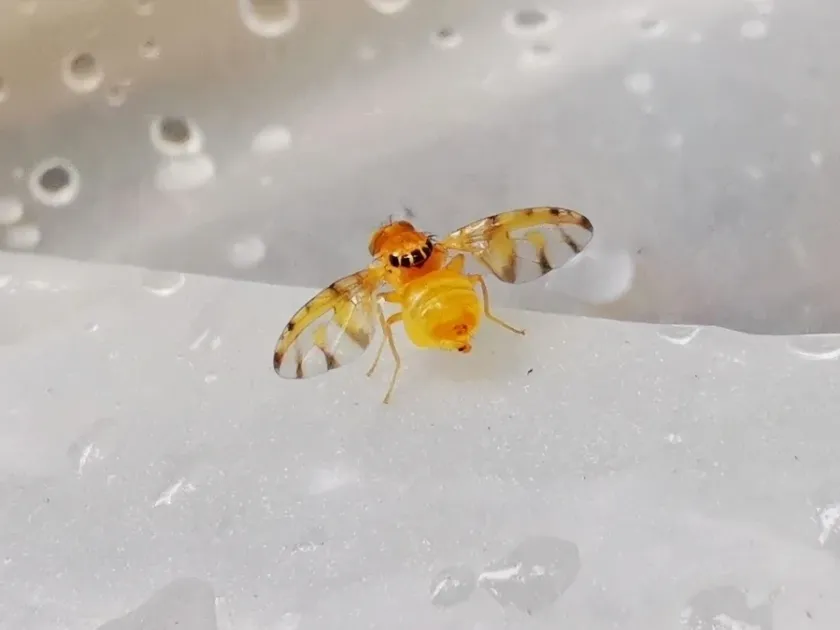
Acroceratitis is a genus of insects belonging to the family Tephritidae, commonly known as fruit flies or peacock flies. These pests are specialized fruit-feeders that have evolved to exploit various tropical and subtropical fruit-bearing plants.
The adults typically feature intricate, patterned wing markings which are a characteristic trait of the Tephritidae family. They possess a sclerotized, sharp ovipositor adapted for piercing fruit skin to deposit eggs directly into the pulp.
Larvae are white, legless maggots that feed internally on fruit tissues. Their development takes place entirely within the host fruit, providing them with a protected environment from many external environmental pressures and predators.
The life cycle encompasses four distinct stages: egg, larva (three instars), pupa, and adult. The pupation phase usually occurs within the soil beneath the canopy of the host tree or inside the fallen, decaying fruit.
Taxonomic identification of Acroceratitis species can be complex due to morphological similarities with other related genera. Accurate species recognition is vital for quarantine monitoring and designing appropriate pest management strategies.
What it damages
Acroceratitis is primarily known to cause significant damage to citrus crops, including oranges, mandarins, and pomelos. Depending on the geographical range, they may also affect various other tropical fruit species.
The damage is caused by the larvae, which burrow into the fruit pulp, creating extensive internal galleries. This destruction of internal structure inevitably leads to fruit rotting, rendering the harvest unmarketable.
As the larvae feed, they introduce microbes into the fruit, which often triggers secondary infections like fungal rots or bacterial soft rot. This accelerates the degradation process, causing the fruit to become mushy and collapse.
The economic impact of Acroceratitis is significant, as infested fruit cannot be sold in fresh markets. Moreover, international trade of fresh produce is often heavily restricted in regions where these pests are established.
Heavy infestation levels can lead to premature fruit drop. This significantly reduces the total yield and can weaken the tree’s physiological state if the infestation is chronic over several growing seasons.
Signs of infestation
The earliest signs of infestation are small oviposition punctures on the surface of the fruit skin. These spots often appear as tiny, dark, or sunken discolorations where the female fly has deposited eggs.
Internal damage manifests as a change in the fruit's texture; it becomes abnormally soft or squashy to the touch. Cutting open the fruit will reveal tunnels and feeding cavities, often with discolored and fermenting pulp.
Adult fly activity can be monitored using yellow sticky traps or traps baited with protein-based attractants. A spike in adult counts on these traps indicates that egg-laying is likely occurring in the orchard.
Premature ripening and yellowing of the fruit are common indicators. Furthermore, the presence of exit holes on the surface of fallen fruit suggests that mature larvae have completed their development and emerged to pupate.
A distinct, fermented or vinegary smell from the tree is a strong indicator of advanced fruit infestation and rot. This usually necessitates immediate orchard sanitation efforts to prevent population spikes.
Control measures
Effective control starts with strict sanitation: the regular collection and deep burial of all fallen fruit. This removes the reservoir for larvae, preventing them from pupating and emerging as the next generation of adults.
Biological control options, including the release of specific parasitoid wasps that target the larval or pupal stages, can be highly effective in reducing Acroceratitis populations within an integrated pest management program.
Chemical control usually involves spot-spraying with an insecticide mixed with a protein-based bait. This approach targets adult flies before they oviposit, reducing the amount of chemical used compared to cover sprays.
Physical barriers, such as fruit bagging, are excellent for small-scale operations or high-value crops. This method physically prevents the female fly from reaching the fruit to lay eggs, providing nearly 100% protection.
Strict quarantine measures are essential to stop the spread of Acroceratitis to non-infested regions. Regulatory efforts focusing on fruit movement inspections remain the most effective tool for preventing the establishment of this pest in new areas.
Taxonomy
- Latin name
- Acroceratitis
- Order
- Diptera (flies)
- Family
- Tephritidae
- EPPO code
- ACRSSP
Discussion
No discussions yet — be the first.