
Acanthonevra
Acanthonevra
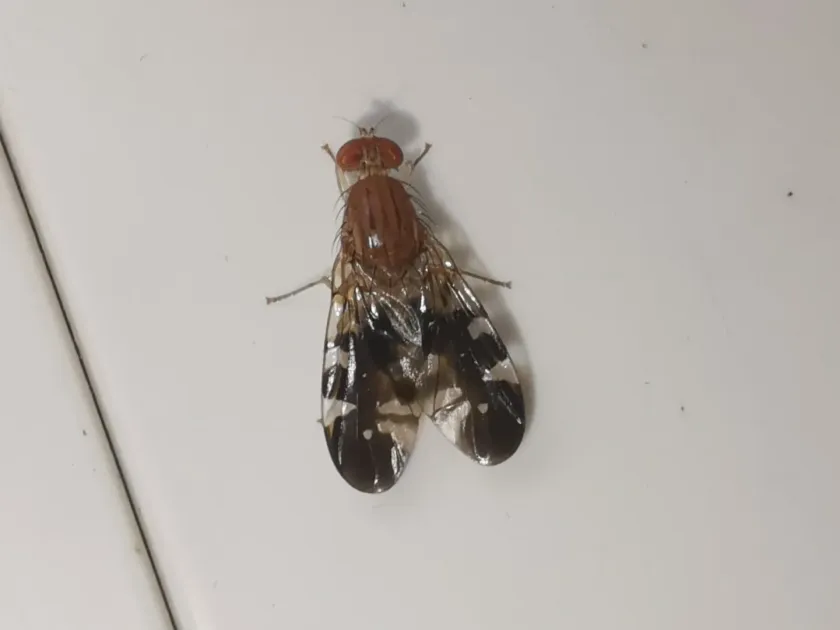
Description
How to identify
Acanthonevra is a genus of flies belonging to the family Tephritidae (fruit flies). These insects are known for their distinct wing patterns, which are often used for camouflage or species-specific signaling.
The adult flies possess specialized sensory organs that allow them to detect the chemical cues of their host plants during the flowering and fruiting stages. Morphological identification is complex and often requires detailed examination.
The life cycle of Acanthonevra is closely synchronized with the phenology of its host plants. Larvae are endophagous, meaning they develop inside the plant tissues, which provides them with significant protection.
Adults are generally characterized by a robust body covered in setae (bristles) and prominent compound eyes. They are highly active during the daylight hours, particularly in warm, humid conditions.
Taxonomy of this genus is challenging because many species share similar visual characteristics, requiring laboratory confirmation through genital analysis to ensure accurate identification.
What it damages
Members of the genus Acanthonevra typically attack the fruits or soft stems of various crops. The larvae feed within the internal tissues, causing extensive structural damage to the fruit.
As the larvae tunnel through the fruit, they destroy the pulp and create pathways for secondary infections, such as bacterial and fungal rots. This leads to rapid decay of the infested produce.
Infested fruits often show signs of deformity and discoloration on the surface. Early-stage infestation of ovaries frequently results in premature fruit drop, causing significant yield losses.
The presence of larvae inside the fruit renders the produce unfit for human consumption and commercial sale. Even post-harvest, infested fruits can contaminate entire batches during storage.
Economic damage includes both the direct loss of fruit volume and the increased labor costs associated with sorting and inspecting the harvest for signs of infestation.
When it appears
The adult activity of Acanthonevra typically peaks during the budding and fruiting phases of the host plants. During this time, they feed on nectar and perform mating rituals.
Once mated, the females use their ovipositors to insert eggs into the host tissue. The developmental speed of the larvae is strongly influenced by ambient temperatures.
Most species undergo a pupal stage in the soil or within plant debris. This dormant phase allows them to survive seasonal changes and adverse environmental conditions.
Spring emergence is triggered by warming soil temperatures. Once the threshold is met, adults emerge to begin the cycle, with populations expanding rapidly if host plants are abundant.
Monitoring the population throughout the season is crucial, as the timing of the adult flight period dictates the windows of vulnerability for the crops.
Signs of infestation
The primary sign of infestation is the presence of small puncture marks on the fruit skin, which are sites where the female deposited her eggs.
Internally, the fruit may exhibit dark tunneling and a mushy texture. A pungent odor, characteristic of decomposing organic matter, often emanates from highly infested fruits.
Premature fruit drop and yellowing of developing fruits are clear indicators that larvae are feeding within the plant structure, disrupting nutrient flow.
If a suspected fruit is dissected, you will find cream-colored, legless larvae. These larvae typically have a tapered shape and may be found in groups or individually depending on the species.
Exit holes on the surface of the fruit are the final sign of the infection, indicating that the larvae have completed their development and have emerged to pupate in the soil.
Control measures
Effective management of Acanthonevra requires an Integrated Pest Management (IPM) approach. The first step is the rigorous removal and destruction of all infested fruits to prevent larval development.
Tilling the soil after harvest is a highly effective control measure, as it buries the pupae deep underground and prevents adult emergence in the following season.
Chemical control via insecticides is only effective against the adult stage of the fly. Once the larvae are inside the fruit, they are shielded from most contact and systemic treatments.
Pheromone traps and colored sticky boards are essential tools for monitoring population spikes, allowing for targeted and timely pesticide applications.
- Maintain good field sanitation by removing fallen fruit.
- Implement crop rotation to break the pest cycle.
- Use physical barriers like mesh netting for high-value crops.
- Encourage natural enemies through biological control.
Taxonomy
- Latin name
- Acanthonevra
- Order
- Diptera (flies)
- Family
- Tephritidae
- EPPO code
- ACNVSP
Discussion
No discussions yet — be the first.