
Anastrepha raveni
Anastrepha raveni
Description
How to identify
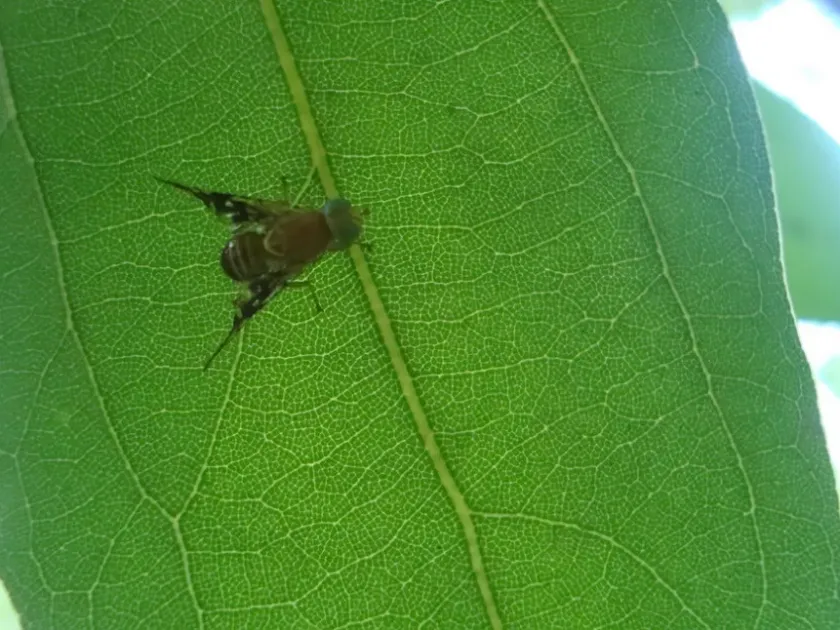
Anastrepha raveni is a member of the Tephritidae family, commonly known as fruit flies. It is recognized for its specialized biology and distinct morphological features that differentiate it from other species within the Anastrepha genus.
The adult fly possesses a characteristic wing pattern and body structure adapted for its specific environmental niche. Identification usually requires microscopic examination of the male and female genitalia, as general body features can often overlap with closely related species.
As part of its life cycle, the adult female uses a well-developed ovipositor to insert eggs into the host fruit. This strategic placement ensures that larvae have immediate access to nutrients upon hatching, providing them with safety from the environment.
The development from egg to adult is a process of complete metamorphosis. The larval stage is responsible for the primary damage, while the pupal stage takes place in the soil beneath the host plant, completing the cycle.
Researchers utilize molecular diagnostic tools, such as DNA barcoding, to confirm the species. This is crucial for regulatory bodies, as proper identification is the foundation of any successful quarantine strategy.
What it damages
This pest primarily attacks various fruit-bearing plants in tropical and subtropical regions. The economic impact is significant, as the species targets high-value crops, leading to substantial post-harvest losses.
Larval feeding causes the destruction of internal fruit tissue. As the larvae tunnel through the flesh, the integrity of the fruit is compromised, resulting in rapid decay and premature fruit drop.
Secondary infections are a major concern associated with Anastrepha raveni damage. Openings created by larvae allow opportunistic fungi and bacteria to enter the fruit, which often leads to total spoilage of the crop before it reaches the consumer.
The damage often goes unnoticed until it is too late, as the external skin of the fruit may appear relatively intact during the initial stages of infestation. This makes it particularly dangerous for international trade.
Market rejection of infested produce causes direct financial loss to farmers. Furthermore, the presence of these pests triggers phytosanitary barriers, preventing the export of fruit to international markets.
Signs of infestation
Early signs of infestation include small, discolored punctures on the surface of the fruit. These represent the entry points made by the female's ovipositor during egg-laying.
As the larvae mature, the fruit often shows symptoms of softening or depressed areas. In many cases, the fruit will prematurely fall from the tree while still green or in the early stages of ripening.
If an infested fruit is opened, the presence of larvae tunneling through the pulp is undeniable. These larvae often leave behind frass and necrotic tissue, which gives the fruit an unpleasant appearance and smell.
- Visible oviposition punctures on the fruit skin.
- Premature ripening and subsequent fruit drop.
- Softened pulp texture with visible larval tunnels.
- Presence of exit holes where larvae have emerged to pupate in the soil.
- Secondary mold or bacterial rot on the fruit surface.
Monitoring traps placed in the canopy are the best way to detect the presence of adults. A sudden increase in fly capture rates typically precedes the visual signs of infestation on the fruit.
Control measures
Phytosanitary regulations are the first line of defense. Strict movement restrictions on fruit from infested areas prevent the spread of the pest to new, uninfected regions.
Cultural control methods are essential and include the consistent collection and destruction of fallen fruit. By clearing the ground, the life cycle is broken, as larvae cannot successfully complete their pupation in the soil.
Insecticide application, particularly using bait sprays, is an effective strategy. These baits, which combine an attractant with a low-dose insecticide, target the adults while minimizing the impact on beneficial insects in the orchard.
Biological control initiatives involve the release of parasitoid wasps that specifically target Anastrepha species. These natural enemies significantly reduce larval populations in the field.
Integrated Pest Management (IPM) is the recommended approach. By combining trapping for monitoring, timely harvesting, and biological control, producers can maintain the pest population below the economic injury level.
Taxonomy
- Latin name
- Anastrepha raveni
- Order
- Diptera (flies)
- Family
- Tephritidae
- EPPO code
- ANSTRA
Discussion
No discussions yet — be the first.