
Anastrepha leptozona
Anastrepha leptozona
Description
How to identify
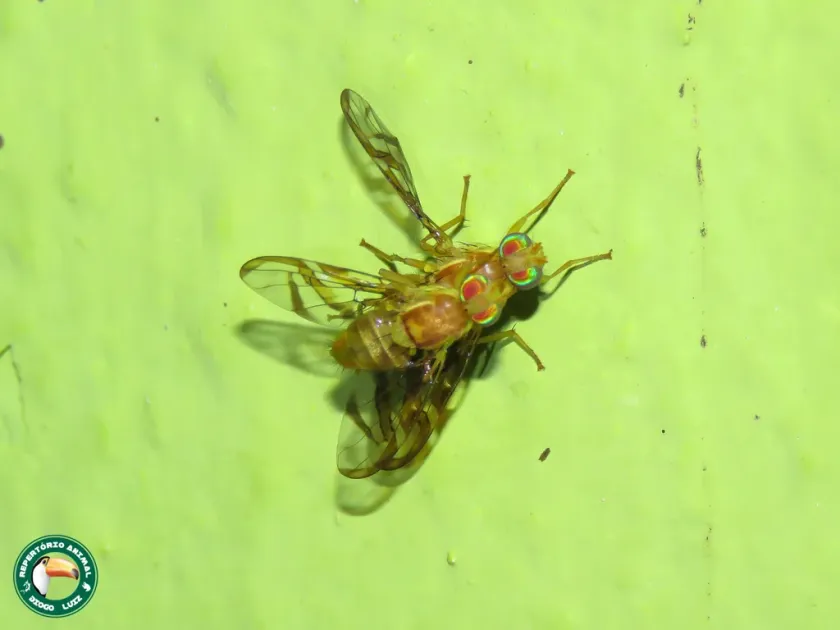
Anastrepha leptozona is a species of fruit fly belonging to the family Tephritidae. This pest is characterized by a specific wing pattern, often described as having dark bands forming a distinct, complex shape which differentiates it from related species.
Adult flies typically measure between 6 and 10 mm in length. Their bodies are predominantly yellowish-brown with dark markings on the thorax, which is a common diagnostic feature for taxonomists identifying this genus.
The larvae are cream-colored, cylindrical maggots without legs, typical of the Tephritidae family. They are adapted to live and feed within the soft tissue of developing tropical fruits.
Pupation occurs in the soil, where the insect develops into a puparium. This brown, hard-shelled stage is highly resistant to environmental stressors and allows the population to survive between fruit seasons.
The life cycle is tightly synchronized with the phenology of host plants. Under favorable tropical conditions, multiple generations can occur annually, leading to rapid population growth if left unmanaged.
What it damages
This pest primarily attacks a variety of tropical and subtropical fruits. Key host plants include species of the Annonaceae family, as well as mangoes and several types of citrus fruits, which are highly vulnerable.
Damage is caused by larvae feeding on the fruit's pulp. As they tunnel through the fruit, they destroy the internal structure, which leads to immediate quality loss and rejection by consumers and exporters alike.
The entry points created by female flies during oviposition become gateways for secondary pathogens, including fungi and bacteria. This often results in the rapid decay and rotting of the entire fruit.
Severe infestations can lead to substantial yield losses, sometimes reaching 100% in commercial orchards. Such high damage levels pose a serious threat to the economic viability of tropical fruit farming.
Because the larvae develop internally, the exterior of the fruit can appear healthy for a period. This "hidden" infestation makes it extremely difficult to detect the pest through visual inspection alone.
Signs of infestation
The earliest sign of infestation is the presence of tiny, pin-prick marks on the fruit skin where the female has inserted her ovipositor to lay eggs. These marks may eventually darken.
Inside the fruit, the presence of galleries or tunnels filled with necrotic tissue and frass is a definitive indicator of the larvae's activity. The affected area often feels softer than the rest of the fruit.
Premature fruit drop is another significant warning sign. If a tree begins losing immature or ripening fruit, growers should immediately inspect the fallen produce for larvae.
Monitoring for adults is best performed using specialized traps baited with attractants. Regular trapping is crucial for early detection, especially during the peak harvest season.
- Discoloration and puncture marks on the fruit skin.
- Unnatural softening of the fruit pulp.
- Presence of larvae upon cutting the fruit.
- Premature ripening and fruit drop.
Control measures
Strict quarantine protocols are the first line of defense. Preventing the movement of infested produce into unaffected regions is essential to stopping the spread of this invasive fruit fly.
Cultural control practices, such as the systematic collection and deep burial of all fallen fruit, are highly effective. This interrupts the life cycle by preventing larvae from pupating in the soil.
Mass trapping using food-based attractants or pheromone lures is a common method for reducing the adult population. This technique is often used as a sustainable alternative to broad-spectrum spraying.
Chemical control involves the application of registered insecticides based on monitoring data. Treatments must be applied at the right time to target adults before they lay eggs on the ripening fruit.
Integrated Pest Management (IPM) strategies, including the use of parasitoid wasps and sterile insect techniques, are increasingly employed. These methods help maintain population levels below the economic threshold while minimizing environmental impact.
Taxonomy
- Latin name
- Anastrepha leptozona
- Order
- Diptera (flies)
- Family
- Tephritidae
- EPPO code
- ANSTLE
Discussion
No discussions yet — be the first.