
Anastrepha distincta
Anastrepha distincta
Description
How to identify
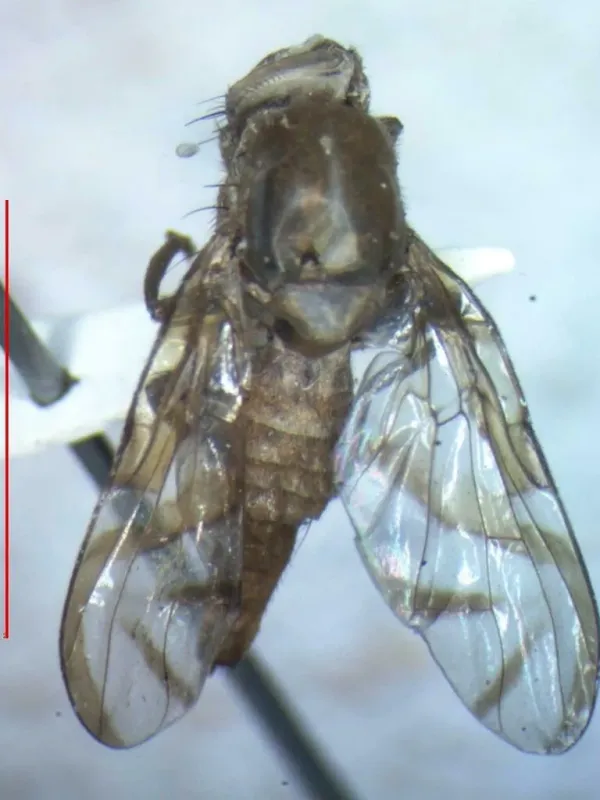
Anastrepha distincta is a species of fruit fly within the Tephritidae family, known for its ability to damage various fruit crops. Adult flies are characterized by a yellowish-brown body and distinct, patterned wings that serve as a primary feature for professional taxonomists during identification.
The lifecycle consists of four developmental stages: egg, larva, pupa, and adult. The duration of each stage is highly dependent on environmental factors, particularly temperature and humidity, which dictate the speed of reproduction and the number of generations per year.
Female flies possess a sharp ovipositor used to pierce the skin of ripening fruit. Eggs are deposited inside the fruit, providing the larvae with immediate access to food as soon as they hatch, which ensures rapid development and survival.
Larvae develop within the fruit flesh, feeding on the internal tissues, which eventually leads to the structural decay of the fruit. This stage of development is the most critical as it causes the primary economic damage to the harvest.
Once the larvae reach maturity, they exit the fruit and drop to the soil to pupate. The pupal stage serves as a protective phase where the insect can endure harsh conditions before emerging as a new adult fly, ready to continue the cycle.
What it damages
Anastrepha distincta is a serious threat to a variety of tropical and subtropical fruits. It is particularly known for attacking citrus crops and guavas, causing significant yield losses in regions where the pest is endemic or has been introduced.
The larvae feed on the interior of the fruit, making it completely inedible and unsuitable for commercial sale. Infested fruits typically drop prematurely, and the internal damage often goes unnoticed until the fruit begins to rot from the inside out.
The damage caused by the larvae also facilitates the entry of secondary pathogens, such as bacteria and fungi. These microorganisms accelerate the decomposition of the fruit, leading to total loss of quality and marketable volume within a very short timeframe.
For international trade, this species is considered a major quarantine pest. Its presence in a commercial orchard can lead to immediate export bans, as importing countries strive to prevent the introduction of this fly into their own agricultural landscapes.
The economic impact extends beyond direct crop loss. It includes the costs associated with mandatory pest monitoring programs, chemical treatments, and the destruction of large quantities of infested produce that cannot be salvaged for consumption.
Control measures
The most effective strategy against Anastrepha distincta is strict quarantine enforcement at ports of entry to prevent the accidental introduction of larvae through international cargo and luggage shipments.
In orchards, farmers rely on integrated pest management (IPM) techniques. Monitoring using traps baited with synthetic attractants or food-based lures is essential for detecting early infestations and deciding on the timing of intervention measures.
Good agricultural practices, such as the regular collection and disposal of fallen fruit, are vital. This limits the survival rate of larvae by preventing them from reaching the soil to pupate, thus breaking the lifecycle and reducing the population size.
If population levels exceed economic thresholds, authorized insecticides are used to control adult flies. These treatments are applied systematically, with careful attention paid to pre-harvest intervals to ensure the final product is safe for consumers.
- Trapping and monitoring programs
- Removal of infested fruit
- Soil tilling under tree canopies
- Targeted insecticide applications
- Phytosanitary certification protocols
Taxonomy
- Latin name
- Anastrepha distincta
- Order
- Diptera (flies)
- Family
- Tephritidae
- EPPO code
- ANSTDI
Discussion
No discussions yet — be the first.