
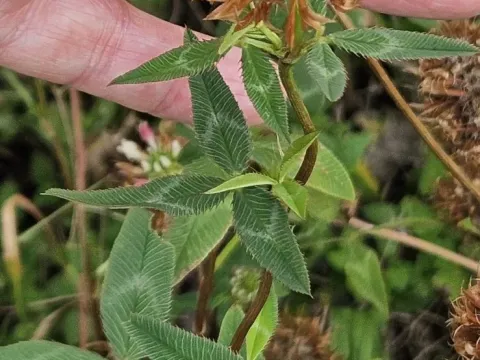
Trifolium vesiculosum
Trifolium vesiculosum Savi
Trifolium vesiculosum, commonly known as arrowleaf clover, is a productive annual legume crop that is typically sown in the autumn season for optimal establishment.
What the section contains
Trifolium vesiculosum
The ideal sowing window occurs in late summer or early autumn, allowing the plants to develop a strong root system and vegetative rosettes before winter temperatures arrive.
Adequate soil moisture is critical for seed germination, so planting is often synchronized with expected seasonal rainfall patterns in temperate regions.
The seeding rate must be carefully calculated based on seed quality and soil conditions to achieve a uniform stand that provides maximum coverage.
Post-seeding management involves light rolling to ensure the seeds have sufficient contact with the soil, which prevents desiccation and improves emergence rates.
This legume species thrives in well-drained, fertile soil types, preferring loam or sandy-loam structures that can effectively retain moisture throughout the growth cycle.
A notable feature of arrowleaf clover is its tolerance to acidic soil conditions, making it an excellent candidate for regions where soil pH is too low for other legumes.
The plant performs best in moderate climates and requires protection from extreme frost events which can damage the vegetative growth during the dormant season.
As a light-demanding species, arrowleaf clover should be grown in open, well-lit fields to ensure it can compete effectively with other vegetation and reach its full yield potential.
Inoculation of seeds with specific nitrogen-fixing bacteria (Rhizobium strains) is essential for successful growth, especially in fields where this crop has not been grown previously.
The biomass yield of arrowleaf clover is highly dependent on soil fertility and the availability of water during the crucial spring growing period.
This crop is highly valued for its nutritional profile, providing livestock with excellent levels of crude protein and digestible fiber when harvested at the right stage.
Phosphorus and potassium applications are recommended to enhance the flowering process and boost both forage volume and total seed production per hectare.
Under optimal management, arrowleaf clover produces a significant amount of dry matter, making it a sustainable and high-quality option for grazing or hay production.
Seed production is consistent, provided that the weather conditions are favourable for pollination and that the crop is not stressed by drought or excessive heat.
Fungal diseases, particularly powdery mildew and various leaf rusts, are common threats, especially in humid conditions with limited airflow through the canopy.
Pests such as clover head weevils can cause significant damage to the reproductive organs, reducing the overall seed yield if not monitored correctly.
Nematode infestations in the soil can be a limiting factor, requiring the implementation of proper crop rotation cycles to suppress population growth over time.
Preventative strategies include selecting resistant cultivars and maintaining a healthy field environment to reduce the reliance on chemical pest control measures.
Weed control during the early stages of growth is vital, as arrowleaf clover has a slow initial growth rate and can easily be outcompeted by aggressive weeds.
The harvest for forage should be conducted during the full flowering stage, which ensures the highest concentration of proteins and minerals for animal feeding.
When harvesting for seed, the timing is critical; wait until the flower heads turn brown and the seeds become hard and darken in color to maximize recovery.
Avoiding a delayed harvest is essential, as over-mature plants tend to shed seeds prematurely and the stems become too fibrous for high-quality silage.
Modern harvesting equipment should be calibrated to minimize losses, particularly during the collection of mature seeds which can be sensitive to mechanical impact.
Proper post-harvest processing, including drying and storage in moisture-controlled conditions, is necessary to prevent spoilage and maintain high feed quality.