
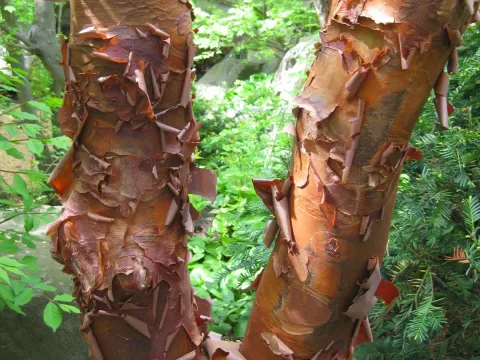
Lavalle cork tree
Phellodendron lavallei
The Lavalle cork tree (Phellodendron lavallei) is a deciduous tree belonging to the Rutaceae family, native to Japan. It is recognized for its unique cork-like bark, which is highly valued both for its aesthetic appeal in landscape design and for potential industrial uses.
What the section contains
Lavalle cork tree
This species thrives in deep, fertile, and well-drained soils. While it can adapt to various conditions, it performs best in slightly acidic to neutral soil pH levels. Proper site selection is crucial, as the tree requires protection from strong winds that can damage its branches.
Lavalle cork trees prefer full sun exposure, although young saplings benefit from partial shade to protect them from excessive heat and water stress. Adequate hydration is essential, particularly during the first few years of establishment to ensure a deep root system.
The tree is considered hardy in temperate zones, capable of enduring cold winters once it has fully matured. Its rapid growth rate makes it a popular choice for reforestation projects and ornamental plantations that require relatively fast-growing species.
Management of the crop includes regular monitoring of soil fertility. Applying balanced fertilizers during the early spring encourages vigorous growth and helps the tree withstand potential environmental stressors throughout the growing season.
The Lavalle cork tree generally possesses strong natural resistance to major pests and diseases. However, in poorly managed environments, the trees may be susceptible to localized fungal infections, particularly if the soil lacks proper drainage.
Aphids and certain types of foliage-eating insects may occasionally colonize the tree during the spring growth flush. These infestations are typically minor and can be managed effectively through regular inspections and horticultural soap applications if necessary.
Root rot can become a significant threat if the tree is planted in stagnant water or heavy clay soils. Ensuring proper site drainage remains the most effective prophylactic measure against systemic health decline in Phellodendron species.
Mechanical damage to the bark must be avoided to prevent secondary infections. When performing pruning or thinning operations, tools should be sanitized to ensure that no pathogens are introduced into the woody tissue of the tree.
Monitoring for signs of wood-boring insects is recommended for older trees. Early detection of these pests is critical for maintaining the structural integrity of the tree and ensuring its longevity in a plantation or landscape setting.