
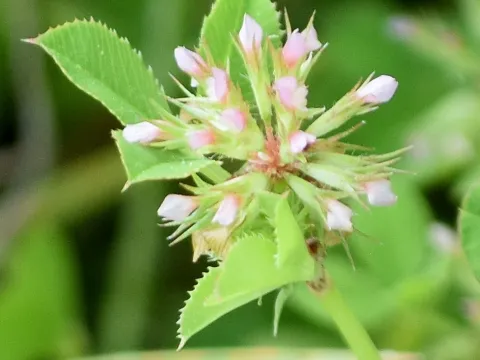
Clustered clover
Trifolium cernuum
Clustered clover is an annual legume species; therefore, the optimal sowing period is early spring once the soil temperature consistently reaches 8–10 degrees Celsius.
What the section contains
Clustered clover
To ensure uniform emergence, seeds should be sown at a depth of no more than 1–2 centimeters, as they have limited nutritional reserves to push through deep soil layers.
The seeding rate typically ranges from 8 to 12 kilograms per hectare, depending on the purity and germination rate of the material used in standard row sowing.
Rolling the field immediately after sowing is a vital agronomic practice that improves seed-to-soil contact and promotes rapid and even seedling emergence.
When incorporating this clover into pasture mixtures, it is often sown by over-seeding existing turf, which requires prior discing to minimize competition from established grasses.
This crop thrives in moderately moist, loamy, or sandy-loam soils with a neutral or slightly acidic pH, consistent with most species in the Trifolium genus.
While the plant shows moderate drought tolerance, it requires adequate rainfall during the active growth phase to produce significant vegetative biomass.
Clustered clover prefers well-lit areas, as excessive shading can cause stem lodging and a significant reduction in overall field productivity.
The optimal temperature range for growth is between 15 and 22 degrees Celsius; sudden temperature fluctuations may delay the flowering phase of the crop.
Fields should be free of perennial weeds, as the clover grows slowly in its initial stages and can be easily overwhelmed by more aggressive plant species.
The yield of clustered clover green mass is heavily dependent on soil fertility levels and consistent moisture availability throughout the growing season.
Under favorable conditions with adequate moisture, this crop can form a dense stand, making it a valuable component for livestock grazing pastures.
Moderate productivity levels make it a useful source of high-quality protein feed, particularly in temperate regions where the climate supports stable growth.
Regrowth after cutting is moderately expressed, so the maximum biomass potential is typically realized during the first cut or through intensive seasonal grazing.
To maximize yields, it is recommended to apply phosphorus and potassium fertilizers, which enhance root development and support efficient atmospheric nitrogen fixation.
Clustered clover is susceptible to root rot, which typically occurs in poorly drained soils where water stagnation leads to oxygen deprivation in the root zone.
Insect pests, particularly clover weevils, pose the greatest threat by damaging both leaf tissues and flower heads, which leads to reduced seed yield.
High humidity levels can facilitate the development of powdery mildew, characterized by a white fungal coating that causes premature leaf senescence.
A sound crop rotation strategy is essential to prevent the buildup of soil-borne pathogens and pests associated with continuous legume cultivation.
Protective measures include using certified seeds, seed treatment before sowing, and maintaining optimal stand density to improve the crop's resilience against disease.
Harvesting for green fodder should be carried out at the onset of the flowering phase, when the concentration of essential nutrients, especially protein, is at its peak.
During hay production, rapid drying is critical to prevent leaf shatter, as the leaves contain the vast majority of vitamins and proteins within the plant structure.
For seed production, harvesting begins when the majority of flower heads turn brown, often using swathing to minimize yield losses from pod shattering.
Timely harvest is essential, as waiting too long results in stem lignification, which significantly reduces the palatability and nutritional value of the feed.
Post-harvest processing involves thorough cleaning and drying of the seeds to the appropriate moisture content, ensuring long-term storage stability for future planting.