
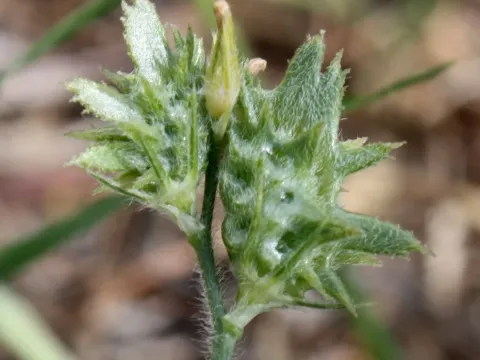
Cock's-comb sainfoin
Onobrychis crista-galli
Cock's-comb sainfoin (Onobrychis crista-galli) is a member of the Fabaceae family, highly valued for its role in fodder production in arid and semi-arid climates. It is widely recognized for its ecological adaptability.
What the section contains
Cock's-comb sainfoin
Sowing should be carried out early in the spring as soon as the soil reaches a workable temperature. The seeds are typically sown in rows to ensure adequate space for development and to facilitate mechanized weeding.
A seed depth of 2 to 4 cm is generally recommended to ensure optimal moisture access and successful germination. Using a specialized seed drill helps to maintain consistent spacing and depth across the field.
Scarification of seeds before planting is a crucial agronomic practice for this species, as it significantly enhances the rate of field emergence by breaking seed coat dormancy.
Early season weed management is essential for the crop to establish itself effectively, as the seedlings are initially slow to grow and can be outcompeted by aggressive weeds.
This crop thrives in well-drained, calcareous soils and requires plenty of sunlight for maximum biomass production. It is highly efficient at utilizing water in dry environments.
The plant is not tolerant of waterlogged soils, which can severely compromise its root system integrity and overall plant vitality. Proper field drainage is mandatory.
The ideal soil pH for sainfoin ranges from neutral to slightly alkaline. It performs exceptionally well on limestone-based soils, which are common in its natural range.
It has an impressive drought tolerance due to a deep taproot system, which allows the plant to access subsoil moisture during periods of prolonged heat.
Good soil structure is preferred, though the plant is capable of growing in various soil types provided there is no deep compaction or excessive moisture accumulation.
Powdery mildew is a common fungal threat, especially during seasons with fluctuating humidity levels. This can reduce the quality of the foliage if left unmonitored.
Insects such as weevils and certain types of beetles can pose a risk to both the vegetative growth and seed yield of the crop by feeding on buds and leaves.
Root rot diseases are usually associated with poor soil management and over-watering. Maintaining optimal soil aeration is the best preventive measure against these pathogens.
Leaf spot infections can spread rapidly in dense stands where air circulation is restricted, highlighting the importance of correct seeding rates and spacing.
Integrated pest management (IPM) practices, including the use of biological control agents and crop rotation, are recommended to minimize reliance on synthetic pesticides.