
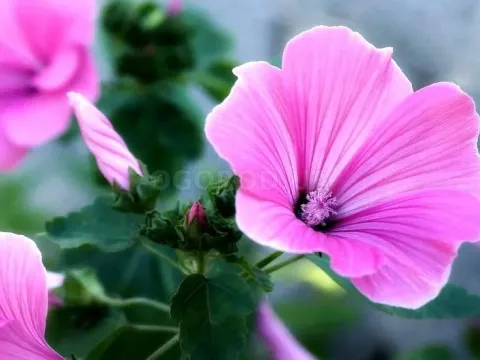
Lavatera pubescens
Lavatera pubescens
Lavatera pubescens is a sun-loving plant that requires stable warm temperatures to germinate successfully. In most regions, the direct sowing period starts in late spring once the threat of late night frosts has completely passed.
What the section contains
Lavatera pubescens
For gardeners looking to extend the blooming season, indoor seed starting is a common practice. Seeds should be sown in seedling trays during early spring, keeping them in a temperature-controlled environment of at least 18 degrees Celsius.
Once the seedlings develop their first true leaves, they should be hardened off before being transplanted outside. Proper spacing is essential, as the plants need room to branch out and receive adequate sunlight for optimal growth.
The soil preparation process includes removing debris and loosening the earth to ensure proper root penetration. Adding a layer of organic compost can help improve soil texture and provide a gentle nutrient boost for the young plants.
Depth of planting is crucial; seeds should be covered by no more than two centimeters of soil. Covering them too deeply may prevent germination, while too shallow planting might lead to them drying out too quickly.
As a member of the Malvaceae family, Lavatera pubescens thrives in well-drained, fertile soil. It performs best in locations that receive full sunlight for at least six to eight hours per day to ensure strong stem development.
The species is highly tolerant of drought conditions, making it an excellent candidate for xeriscaping or gardens with limited water availability. Its characteristic pubescence helps reduce transpiration, allowing it to withstand intense sun.
Good drainage is the most important soil requirement. Waterlogged conditions can lead to root rot and other fungal pathogens that can kill the plant quickly. It prefers a pH balance ranging from neutral to slightly alkaline.
Nutrient management involves applying balanced fertilizers during the early growth phase. Avoid excessive nitrogen, as it may result in an abundance of foliage at the expense of flower production, which is undesirable for ornamental purposes.
Providing protection from strong winds is recommended, especially as the plants reach maturity and develop taller, potentially brittle stalks. Strategic planting behind larger shrubs or structures can act as a natural windbreak.
Fungal diseases are the primary concern for this species, particularly in humid or stagnant air environments. Rust is commonly observed, appearing as orange or brown pustules on the undersides of leaves during wet weather.
Powdery mildew can also affect the plants, especially when day and night temperatures fluctuate significantly. Keeping the foliage as dry as possible and ensuring adequate spacing between plants helps to mitigate this risk significantly.
Aphids are the most common insect pest encountered, often attacking the tender growth tips. They weaken the plant by extracting vital sap, which can stunt development and lead to distorted leaf growth if not treated.
Spider mites can occasionally become a problem during periods of extreme heat and prolonged dry spells. Utilizing insecticidal soap or neem oil is usually effective in managing these infestations without harming beneficial garden insects.
- Regular sanitation by removing dead or diseased plant parts promptly.
- Monitoring the garden for early signs of pest infestation.
- Ensuring proper soil drainage to prevent stagnant water around the roots.