
Trifolium isthmocarpum
Trifolium isthmocarpum Brot.
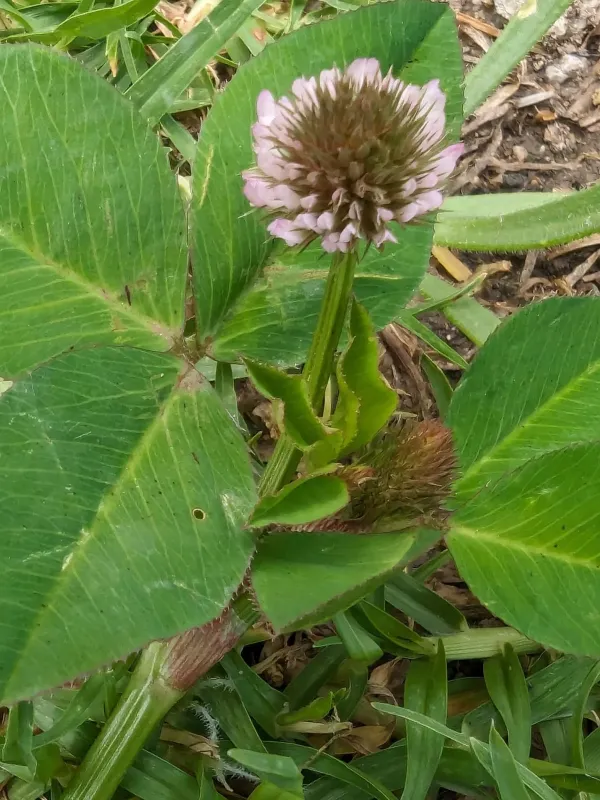
Description
Sowing dates
Trifolium isthmocarpum is a valuable legume species suitable for temperate climates and various agricultural applications. Sowing should ideally take place in early spring, once the soil has warmed sufficiently to ensure rapid germination and establishment of seedlings.
Seedbed preparation is critical for this species, as it requires fine and firm soil to ensure consistent moisture contact. The seeds should be planted at a shallow depth of 1–2 centimeters to allow them to emerge effectively without exhausting energy reserves.
Choosing the correct seeding density is essential to balance competition and resource utilization. In intensive agricultural setups, the use of precision seed drills allows for an even spatial distribution, reducing the risk of overcrowding and disease spread.
Inoculation of seeds with appropriate nitrogen-fixing bacteria is highly recommended to enhance plant vigor and overall yield. This symbiotic relationship provides a sustainable source of nitrogen, reducing the need for synthetic chemical fertilizers.
Implementing a crop rotation strategy is vital for maintaining long-term soil health. Rotating Trifolium isthmocarpum with cereals or root crops helps break the cycle of host-specific pests and improves the overall structural integrity of the field.
Growing requirements
This clover species thrives in moderate climates, favoring areas with mild winters and well-distributed rainfall. It is sensitive to extreme frosts and prolonged droughts, which can significantly limit its growth potential in arid regions.
Soil requirements for Trifolium isthmocarpum include well-drained loamy or sandy-loam soils with a neutral pH level. Areas with poor drainage or excessive waterlogging are detrimental to root development and should be avoided or drained.
Sunlight is a primary requirement, as the plant needs full exposure to photosynthetically active radiation to produce dense biomass. Areas shaded by dense tree cover or weed populations should not be considered for optimal cultivation.
The plant demonstrates a strong response to macro- and micronutrients, specifically phosphorus, potassium, boron, and molybdenum. These elements are essential for the effective functioning of the nitrogen-fixing nodules located on the root system.
Good soil aeration is necessary for the respiratory processes of the roots. Implementing light cultivation techniques helps maintain a loose soil surface, which also benefits water infiltration and reduces surface runoff during heavy rain.
Yield
Trifolium isthmocarpum is primarily utilized as high-quality forage, providing an excellent source of protein for livestock. Its digestibility makes it a preferred choice for inclusion in grazing mixtures and as cut-and-carry feed for dairy cattle.
Yield stability depends heavily on proper management practices, including timely mowing or grazing to encourage secondary regrowth. If managed correctly, this clover can provide multiple cuts throughout the growing season.
As a nitrogen-fixing legume, it plays a key role in sustainable agriculture by improving soil fertility. Farmers often use it as a green manure crop to recycle nutrients and improve the organic matter content of the soil profile.
Seed production is another facet of its economic value, requiring careful management during the pollination period. The presence of pollinators such as bees is crucial for high seed set and ensures the viability of the next generation of crops.
The ability to recover quickly from defoliation makes this species an excellent component for high-intensity pastures. Its resilience allows for shorter rotation cycles, optimizing the usage of the available land area.
Main diseases and pests
Fungal pathogens such as root rot and powdery mildew pose the most significant threat to plant health, especially in high-humidity environments. Preventive measures like adequate spacing and controlled irrigation are essential for management.
Insects like the clover weevil and various aphid species can cause damage by feeding on leaves and stems. Regular field scouting is necessary to identify infestations early and implement integrated pest management strategies if required.
Weed competition during the seedling stage is a common challenge that can lead to crop failure. Mechanical weeding or the careful application of selective herbicides can help protect the young clover during its establishment phase.
Environmental stress, such as extreme heat or sudden shifts in soil moisture, can weaken the plant, making it more susceptible to opportunistic infections. Maintaining a consistent management regime is the best defense against such issues.
Biological control agents, such as predatory insects, can be encouraged by maintaining buffer strips or minimizing broad-spectrum pesticide use. This sustainable approach helps maintain a balance within the farm's ecosystem.
Harvesting
Harvesting for green fodder should occur at the onset of the flowering stage, as this is when the nutrient content, particularly proteins and minerals, is at its peak. Delaying harvest leads to increased lignification and lower digestibility.
When producing hay, careful drying in windrows is necessary to preserve the nutritional profile and color of the crop. Excessive exposure to intense sunlight should be avoided to prevent the degradation of valuable vitamins.
Seed harvesting should be performed when the seed heads show clear signs of maturity, typically indicated by a color change. Using specialized equipment prevents shattering and ensures that the maximum amount of seed is collected.
Post-harvest processing involves cleaning and drying the seeds to a moisture level suitable for safe storage. Proper storage conditions, including cool and dry environments, are essential to maintain germination rates over time.
Managing the crop stubble is the final stage of the harvest process. Incorporating the remaining plant biomass back into the soil adds valuable organic matter, continuing the cycle of soil enrichment for future crops.