
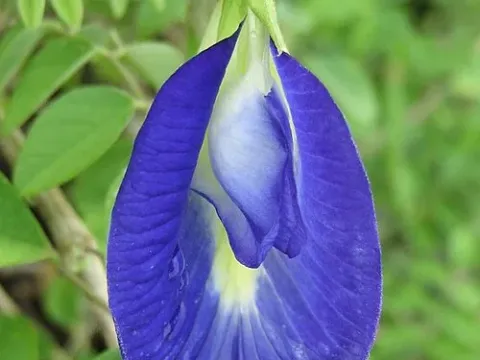
Clitoria heterophylla
Clitoria heterophylla
Clitoria heterophylla is a perennial herbaceous species belonging to the Fabaceae family, recognized for its robust growth habit in tropical environments.
What the section contains
Clitoria heterophylla
Sowing should be timed with the onset of the rainy season to ensure that seedlings receive adequate moisture during the critical phase of root establishment.
To improve germination rates, seeds typically require scarification to overcome physical dormancy caused by a hard seed coat, ensuring a uniform emergence.
Seed density is determined by the intended use of the crop, with lower rates used for pasture establishment and higher rates employed for intensive fodder production.
Planting depth should be maintained at 2–3 cm, allowing for successful interaction with beneficial nitrogen-fixing bacteria shortly after germination occurs in the soil.
This species thrives in tropical and subtropical regions characterized by significant annual rainfall and stable temperatures throughout the growing period.
It adapts to a range of soil types, though it performs best in well-drained, fertile soils where waterlogging does not impede root development and microbial activity.
Clitoria requires high levels of solar radiation and does not tolerate significant shading from surrounding vegetation, necessitating open areas for optimal yield.
Effective biological nitrogen fixation is essential for the health of the crop, which is highly dependent on the presence of specific rhizobial strains in the root zone.
While the plant shows moderate drought tolerance, sustained periods of moisture deficit can significantly restrict biomass production and overall plant vitality.
The primary agricultural value of Clitoria heterophylla lies in its potential as a high-protein forage source for livestock, contributing to balanced diets for cattle.
The nutritional composition of the forage makes it highly digestible, and the frequent cutting intervals allowed by its regrowth capacity ensure high biomass yields per hectare.
Integration into crop rotations as a green manure crop provides significant benefits, including the natural incorporation of atmospheric nitrogen into the topsoil layers.
Yield efficiency is maximized through regular management of the canopy, ensuring that the plant remains in a vegetative state for as long as possible before flowering.
Sustainable pasture management, including rotational grazing, helps to maintain the vigor of the stand and prevents the depletion of soil nutrients over time.
Root diseases, particularly those caused by fungal pathogens in wet or poorly drained conditions, represent a significant threat to stand longevity and productivity.
Leaf-feeding insects, such as various caterpillars and beetles, can cause extensive defoliation, which directly impacts the plant's ability to photosynthesize effectively.
Pests that target reproductive tissues can significantly reduce seed yields, complicating the process of large-scale seed production for future planting cycles.
Integrated pest management strategies, involving both biological control agents and crop rotation, are recommended to maintain plant health without heavy chemical use.
Regular field scouting is essential to identify early signs of pathogen outbreaks and to allow for targeted intervention before major crop losses occur.
Harvesting for forage is most effective at the onset of the flowering stage, ensuring an optimal balance between total biomass yield and nutritional density of the plant.
Mechanical harvesting should be carried out at a height of 5–10 cm to prevent damaging the regrowth points and to ensure quick recovery after the cutting process.
The harvested forage can be utilized directly as fresh feed, dried for hay, or ensiled, depending on the logistical capacity and specific needs of the farm operation.
For seed collection, monitoring for pod maturation is critical, as pods may shatter upon drying, resulting in significant seed loss if not harvested at the correct time.
Post-harvest management of crop residues plays a crucial role in soil health, as incorporation of the remaining biomass adds organic matter back to the field.